Rambling 172: Proto-Indo-European Mythology

What is the origin story of the universe? The origin of the world? The origin of life? Why do all things come in pairs and what does this have to do with the Gods presiding over Earth now? The duo decides to unpack the outstandingly complex and abstract concepts within Proto-Indo-European Mythologies of duality, mentalism, creationism and the origin of religion in an attempt to understand the nature of reality and what might or might not be true.

+Episode Details

Topics Discussed:

  • Proto-Indo-European Mythology
  • Creationism
  • Creationist Sacrifice
  • Female Gods
  • Duality
  • Mentalism
  • The Shadow Realm
  • Faith
  • Religion
  • Judaism
  • Christianity
  • Islam

Our Links:

Official Website - https://greythoughts.info/podcast

Twitter - https://twitter.com/JustConvoPod

Facebook - https://facebook.com/justconvopod

Instagram - https://instagram.com/justconvopod


+Transcript

Cristina: This program contains strong themes meant for a mature audience. Discretion is advised.

Jack: Going live in 5, 4.

Cristina: What does live mean?

Jack: welcome to the Rambling podcast, the show where we ground humanity's most absurd and baffling ideas in childish ways. I'm your host, Jack.

Cristina: And I'm your host, Christina.

Jack: And if you haven't yet, remember to hit that subscribe button to get notified the second new episodes are released.

Cristina: And this show is most enjoyable with a listening partner to share opinions and ideas on topics we discuss.

Jack: Yes. So pull somebody close because we're falling down the rabbit hole right now, right off the bat, because this conversation already started and we just needed to create this intro to have it. Because we need to.

Cristina: We need it.

Jack: We need to. Okay, where were we? So we start all the way now. We just pulled up the. Yeah, we just pulled up the hermetic principles because they seem to align with everything. We're just having a conversation that just so happens to involve creationism, and we're looking at proto Indo European mythology in real, that everything is not only based on it, but that it holds true. So the mythology goes that it seems that there are always two in the case of Judaism, and it seems like most things. So in Greek mythology, sun kills mother, you said. And in Norse mythology, sun kills father.

Cristina: Yeah.

Jack: While in Indo European. In proto Indo European mythology, twins, one. Larger one. Smaller. The larger one dies for the smaller one. And then in Judaism, El Elyon, which was previously considered to be two gods, is suddenly one God. At some point, presumably, El was taken out by Elyon or Elyon taken out by El, and then the remainder moved forward with the name. Now, in all of these cases, they exist where there is nothing. This is the argument. There's nothing. First, there is nothing, but then this lines up with the hermetic principles.

Cristina: That's one. We decided to get out the principle because it does explain everything. It explains everything.

Jack: Yeah. We always. Okay, so it always comes up in part of any conversation, whether we're talking philosophy or religion or even politics or just genetics. If we're talking evolution and Darwinism, it always shows up the same hermetic principles are present in seemingly everything.

Cristina: And we think it's.

Jack: It's a creation guide.

Cristina: Yes, it's the beginning.

Jack: It's the map of the beginning.

Cristina: Okay.

Jack: And now. So we're discussing this, and we come across the possibility that this is a true creation guide. And so we're comparing notes. El Elyon. If we assume, just like all the religions that came out of the proto Indo European mythology, that seems to be Norse and Greek and Judaism and Hinduism and the Celtic belief systems and all these things. All of them. All of them came from the proto Indo European mythology. There was one people who had this belief system. They were around a volcano. The volcano blew the f*** up. And because they were around the volcano, they were cut off from each other and they just ran in their respective directions. But a volcano is circular, so they just literally ran in every direction. Those people losing sight of all the other people from the same civilization later took their myths and these myths evolved into. To what we consider the religions of the world today.

Cristina: Whoa.

Jack: But they all share similarities. Because of that before, we thought they were based on one another, but doing incredibly deep research, we just found out that's the order in which they were written that we're saying they happened in, when in reality they were all based on the same group of people. They just all discovered the ability to record their information at different times.

Cristina: All of these stories are way older.

Jack: Than even the creek.

Cristina: Yes. But way older than anything written.

Jack: Yes. Because the first couple of written things are not even that long ago, as opposed to how long ago these stories were told.

Cristina: Mm.

Jack: So we have. We say Greek mythology came first, but that's wrong because it came at the same time as Norse mythology. It was just recorded, like 5,000 years back.

Cristina: Mm.

Jack: And so this pattern we're just seeing when it was written, not when it happened, because they all happened at the same time. It's the same group of people who.

Cristina: Left their home, became everyone else, and became everyone else.

Jack: Now. El Elyon, two gods. One kills the other.

Cristina: Mm.

Jack: And in proto Indo European mythology, two brothers, one kills the other. Greek mythology, son kills mother. Norse mythology, son kills father. There's first nothing. Let's go to the hermetic principles. What is that? That's everything is mind. There was nothing. There was a. A potential something. And then eventually, this potential something created consciousness and asked, what am I? But who did it ask?

Cristina: There had to be a second something, another something.

Jack: Exactly. Which leads us to the next hermetic principle, polarity. Everything is dual. Two things must happen. If you ask, who am I? You must be asking something we don't even need to ask. If you suddenly start perceiving, there must be something for you to perceive. There's something must be be there with you.

Cristina: Yeah. So the moment one thing became a.

Jack: Thing, so did the other.

Cristina: So did the other.

Jack: Yeah, basically. Which is weird when you think about it. Right. There's potential everything. But then it became something. Well, what happened you needed to remove something for what's left to become a thing. But then what you removed must also become a thing. That's what happens. It's split into two different things made of the same stuff.

Cristina: Yeah.

Jack: So then you have one and two polarity. Two things that happened. Whether it's El Elyon, mother, son, father, son, lovers, or brothers. You end up with two things by default.

Cristina: Yes. And two opposite things.

Jack: Two opposite things. They must be different somehow because they're never equal. Now, what's interesting is one must always kill the other to create the universe. That argument seems to be consistent in the case of the proto Indo European mythology. The smaller brother kills the bigger brother, and that of his body creates the universe and humanity.

Cristina: And all these other stories is the same thing. One of them has to die in.

Jack: Order to create the universe.

Cristina: To create the universe. Yep.

Jack: Interesting, interesting. Now, this takes us to the next hermetic principle, the principle of gender, which says everything is gender. Everything is masculine and feminine. Which brings up an interesting point, which is around the point that we decided we needed to start recording this because it's checking out too hard.

Cristina: Mm.

Jack: We usually believe man created the universe.

Cristina: Because that's how it's always written, but. Yes.

Jack: But that's wrong, because in every one of these stories, the smaller kills the bigger.

Cristina: Mm.

Jack: The larger God is killed by the smaller God, the larger brother is killed by the smaller brother, presumably. L. Or if El is the smaller one, because we're just gonna assume based on the name being smaller. And Elyon is the larger one.

Cristina: Yeah.

Jack: Because of the larger name. Just throwing. Attaching some value to either one of them.

Cristina: Yeah. Just guessing here.

Jack: Then L killed Elyon to create the universe and continued forward with the name El Elyon.

Cristina: Mm.

Jack: And that just means Judaism is probably even more accurate.

Cristina: Yeah.

Jack: Than most other religions.

Cristina: And we were relating it, though, to what was it? The feminine and. Yeah, yeah.

Jack: No, masculine and feminine. Because at the end of the day, we believe that males created the universe, but that's wrong. Because if we look at how nature presents itself.

Cristina: Yes.

Jack: The male is who gets sacrificed. The male is who goes. Because the male must give up something for then the female to create with it. That's literally how it shows in nature.

Cristina: Exactly what happens.

Jack: Yes. The male doesn't create s***. The male gives up what is needed to be created for it is needed for creation by the female.

Cristina: Yes.

Jack: Meaning Jehovah is either a female or the wrong God we're looking at. But even through Judaism, he isn't even the main God because He comes from El. Him.

Cristina: Oh, yeah.

Jack: Which is Yahweh. Yahweh comes from El Elyon.

Cristina: Oh, it's so confusing.

Jack: But then everything has this chaos exists within Greek mythology. There's this greater thing that was nothing, and then two things came from it. And one of the things had to sacrifice the other of the things to create the universe.

Cristina: Mm.

Jack: So the creation story holds up pretty solidly.

Cristina: That's so crazy. Yes.

Jack: And the hermetic principles seem to be associated with everything. If we look at just polarity, two things must happen. It is unquestionable. It just breaks it up. And those two things, one needs to be masculine and the other one needs to be feminine. The masculine. The stronger one, the bigger one, the more potential must be sacrificed to spread that potential into creation. Yes, by the feminine. The male isn't what's important. The male is what gets killed to create. The female is what's important. I guess either way, you still need both.

Cristina: You need both.

Jack: They're both equally important in different ways.

Cristina: Yes.

Jack: Interesting. No female has ever given birth without a male.

Cristina: Like.

Jack: Like the sperm is important. Oh. But you don't need a man. You don't need a father. You need a sperm donor. That is fact. There's no way around that part.

Cristina: What about Mary?

Jack: No, Mary's a weird, impossible story.

Cristina: Yes, I know. Do we go all through all of these?

Jack: What about correspondence as above, so below?

Cristina: Yeah, I guess we kind of already talked about that. How animals are doing this.

Jack: Yeah. When it comes to creation. But actually when we talk about every single part. Right. Because if we say that there's the potential for something and that that collapsed into two things and that then that created one of them was sacrificed and created the universe with the help of the other that was not sacrificed. The other one who's not sacrificed molds the body of the sacrifice into universe. And then from that come humans. Now, life in general has the same process. First, there is the potential. Whatever exists inside your mind, that consciousness, that is a singular entity. And it breaks up into two things. Your conscious mind and your subconscious mind. One of them got sacrificed and pushed into the background. That is what creates perception. Then the front is the one that's taking in the information. So actually, you could say that the one that's inside the smaller, weaker of the two is the one creating perception. So the subconscious is the feminine, because the subconscious is the one that's deciding what the universe looks like. While the conscious mind is out here. It's sacrificed into the physical world. It's Unsafe. It's in the place where danger could happen.

Cristina: Yeah.

Jack: It was thrown out there. But still, there's two things. So duality is already satisfied.

Cristina: Oh, wow. In our minds. Well, yeah.

Jack: Just the concept of reality and the breaks up like that over and over.

Jack: Even if we go to the atomic scale, there are atoms that have electrons and protons. Down to the atomic scale, we have things that are too. And there's a nucleus, there's a center that they're both hovering around. There's the important thing where the electrons and protons are kind of part of. So there's the one thing that's the two things. Yes, the nucleus. So everything has this rhythm, everything has this pattern.

Cristina: It's weird. I was reading earlier, though, about just random things that were taken out of the Bible, and one of them was that Jesus was talking about. We have two souls and one belongs to God. Or something like that.

Jack: Interesting.

Cristina: Like even whatever's happening in us spiritually would be too.

Jack: Duality. Maybe he was speaking. Maybe. A lot of the debates are that when people are referring to the spirit, they are talking about our conscious mind. What is it that moves you? What is that affects your body? How do we move? How do we think? How do we process at all? And that we're talking about the conscious and subconscious mind when we're referring to the spirit. But in this case, it makes sense to say that there's two.

Cristina: Yes. So he actually knew that there was two. He was talking about the conscious and the unconscious.

Jack: Of conscious. Yeah. Interesting. That's a fascinating idea that just kind of. I don't know, it's overpowered. Because how is it that the hermetic principles are so on point, all of them. The principle of mentalism. Everything is mind. The principle of correspondence. As above. So below vibration, nothing rests, Everything moves. Which is interesting. Right. Because the second that the potential collapse into two things. Action began. The universe must be created.

Cristina: Yes. Yeah. And then everything happened.

Jack: And everything is still happening.

Cristina: And everything is still happening. Yeah.

Jack: From the moment that it stopped being singular, everything has been happening.

Cristina: Mm.

Jack: Even if you look at the Big Bang, okay.

Cristina: There's.

Jack: So there's nothing. And then boom, there's something. And s*** has been happening since.

Cristina: Yes.

Jack: Just nothing rests. Everything just keeps happening forever.

Cristina: It's impossible to stop.

Jack: It's weird, because the hermetic principles line up perfectly with science too. There's nothing that violates these rules. There's nothing.

Cristina: Mmm. Did we go through all of them, then?

Jack: Rhyme, rhythm.

Cristina: Rhythm. Oops.

Jack: Well, there's vibration. Nothing Rests. There's a polarity, too, of everything. There's gender, masculine and feminine. There's rhythm. Everything comes and goes. There's flow. There's up and down to everything. You have only joy because you know what sadness is. And you can only experience sadness because you know what joy is.

Cristina: Do you think rhythm somehow relates to the gods and how they work, though?

Jack: If you think of Jehovah specifically, he must be forgiving, but he must also be wrathful. So there's the up and the down. If you look at the creation of the universe, then there must be the death in order to create life. That's literally the up than the down, or the down, then the up, depending how you want to look at it.

Cristina: Yes, I guess I could read the down.

Jack: Yeah. So it's not only that there is polarity within that situation that came from mentalism, and there is a masculine and feminine breakdown of those things. And also Korra's. The fact that everything keeps moving infinitely once that mentalism breaks into two individuals, but rather that there is flow. There must be something incredibly dark to bring something, to literally bring the light.

Cristina: Mm.

Jack: Death is the bringer of life. Something died first. Death was number one, and then life. Without death, there could be no life.

Cristina: Death was the first supernatural, the closest thing to the truth.

Jack: How death and God happened at the same time. They don't really know who came first. Yeah, interesting. Could be.

Cristina: Mm.

Jack: Yeah, that's.

Cristina: I guess they had two main gods. It wasn't just God.

Jack: It was the darkness and the light.

Cristina: Yeah. Which we've been talking about.

Jack: Yeah. Polarity. Interesting. And it's possible that death predates God.

Cristina: But even in this story that we're saying in Supernatural. No, I mean in with the.

Jack: Oh, yeah. Because the. When we're talking about the current God, we're talking way down the line because there is these two gods that collapse out of the Nothing.

Cristina: Mm.

Jack: Oh, s***. Yeah. Supernatural got it. Because what happened there was literally the nothing. Now, the nothing didn't create the universe. There was potential. And out of that potential came death and the nothing. But was death death, or did the nothing get rid of death? Or did death get rid of the nothing? Death might have killed the nothing. Thus something could happen.

Cristina: That makes sense.

Jack: Interesting.

Cristina: Weird. But then that makes God death. No, no.

Jack: Okay, wait, Jehovah.

Cristina: Yeah, no.

Jack: Jehovah's way down the line. No, just some other s*** that happened.

Cristina: The main God, I guess, the creator of everything, was death.

Jack: Yes, yes. That's to say that the younger brother who killed the older Brother.

Cristina: Mm.

Jack: We now call death.

Cristina: Yeah.

Jack: That's to say that whatever son killed the mother is who we call death. Let's just say whatever son killed the father is who we call death. Because the first act they made was to murder.

Cristina: Yes. While the bigger one was the nothing.

Jack: The life.

Cristina: The life.

Jack: No way.

Cristina: Came out of nothing.

Jack: Life came out of nothing. In order to have life, you must remove nothing.

Cristina: Crap.

Jack: This is abstract as f***.

Cristina: Solve the problem. Oh, my gosh. We solved the problem of nothing. And how something came out of nothing.

Jack: Yes.

Cristina: Death happened. Death is a solution.

Jack: Yes. Death happened to nothing.

Cristina: Yes.

Jack: Now, death in itself is a concept that doesn't apply to anything. It's just an idea of removing. But removing what? Well, if there's nothing, then you're removing there being nothing, which by default, allows there to be something.

Cristina: Oh, my gosh.

Jack: Interesting.

Cristina: Whoa.

Jack: Because when you're like, okay, there's nothing, we'll try to conceive nothing. Well, that's hard. But what if the being nothing died? Well, now. Now there's something because the nothing died. Yeah, but that's a problem because that does hold up solidly, which. With the theory of the universe. Right. Because it would. It would cycle.

Cristina: If. Cycle.

Jack: If nothing could die, then something could die.

Cristina: Oh, yeah.

Jack: So something will eventually die, and then that will be the birth of nothing.

Cristina: Yes. And it will be a slow death, though, so it's okay. Because I don't think death is in a rush anyway to kill anything.

Jack: Death doesn.

Cristina: Death happens.

Jack: Death happens. Yes.

Cristina: So there's no. Like. It's not a being that's waiting for people to die or anything. It's just. It's gonna happen.

Jack: We personify it. Yes, but these two beings we're talking about, we're just. Again, when you ask, what am I? There must be something you are asking. Otherwise, what's the point of the question? So this potential suddenly becomes a place with nothing or the lack of a place. It just becomes nothing. And death, the only anything, is.

Cristina: Yeah.

Jack: And then nothing must die for there to be something there. But death doesn't die. Death is just death. Death has always been there, and it's still here. Yes. Death will always be there.

Cristina: Yeah. Yes. It all makes sense.

Jack: It all makes sense. Death is the everything.

Cristina: God, or whatever you want to call it.

Jack: Wow. That's f*****.

Cristina: I mean, because we think of death as a bad thing.

Jack: Yes, but it's natural.

Cristina: It's natural. It's the most natural.

Jack: The most natural thing.

Cristina: So you should be worshiping death, I guess.

Jack: Yeah, kind of. If we're really talking about the. The most ultimate of gods. Right. Because Jehovah could probably die easily. Jehovah could die, Zeus could die. Any of these gods could die. They're gods, but they're not infinite. They're immortal, by our understanding. But they can kill one another, which means death can happen. Yeah, it's proven.

Cristina: Mm.

Jack: The only thing that can't die is death itself. Because then everything would last forever.

Cristina: Yeah, except I guess it lasts forever until there is no more death. Because all the things that died.

Jack: No, no, no. There can't be. Because then there would exist nothing. And nothing will eventually die again and thus start cycle.

Cristina: Okay, okay.

Jack: You could even put it like this mentalism. First there was a single potential energy, and that single potential energy f****** died. And two things came out of it.

Cristina: Yes.

Jack: And then one killed the other.

Cristina: Yes.

Jack: And that created the universe. So first gods were created by the death of the potential energy that then led to the death of one of the gods that then created the universe. S***.

Cristina: Yeah.

Jack: Death is the ultimate God. Yeah, because the nothing. No, that's just something that popped up and then nothing died in order to create the something.

Cristina: Yes, and eventually the somethings will all die, and then there will be nothing.

Jack: Yeah, It'll be the birth of nothing. Yeah, and nothing could last for an infinity before it dies. Yes, because that's the thing.

Cristina: We trust nothing to realize that it's something for it to die.

Jack: No, no, no, no. The nothing is nothing. It doesn't realize it's something. The death of nothing. When you remove nothing, you are left with something.

Cristina: Yes, but how did. What is the thing that asks itself what it is? Where did that come from? Because it was first nothing and death? Or was death the one?

Jack: That's interesting. That's interesting. Right. Because it's possible that death, the infinite potential, asked and in asking, realized there's me. But I am asking what? Nothing.

Cristina: And then it killed nothing. Okay. Yes.

Jack: So nothing and death were the same thing.

Cristina: Yes.

Jack: That's to say we. I have the thing. The, the. The argument that perception and nothingness equals somethingness. So there is a perceiver looking into the non existence and sees something.

Cristina: Mm.

Jack: But there's nothing. There's really nothing. We can prove that almost down to the f****** granular neurological level. The everything is created inside your head. There's probably nothing outside of your head. Yeah, that's probably the fact it's just energy. Yes, but we're looking at nothing and thus we see something.

Cristina: Mm.

Jack: Is death the perceiver or is death or am I wrong about that? Right. And death is. I mean, do we need the perceptual layout for this? This is where you are. You and your subconscious are connected in such a way where your subconscious believes their world is the real world.

Cristina: Yeah. Okay.

Jack: Right. And you believe your world is the real world. Now you can make. I love the roller coaster versus the coffee. Right. You are sitting home and your friend calls you or sends you a text message. You look at your phone, and in your phone it says, hey, you want to go to theme park? You're here having coffee. In your mind, you were just living the moment of having coffee. In your head, you're having coffee. But they. You read the message, and now you hate theme parks. So the first thing you picture is the horror of you on a rollercoaster hating the roller coaster. Oh, my God. So scary. Ah. Rollercoaster.

Cristina: Yes.

Jack: In your mind's universe, that was a seamless transition. There was not. They weren't sitting at home drinking coffee, and then, boop. Oh, my God. I'm suddenly on a roller coaster. What the f*** is happening? No, to them, it's seamless. They wouldn't. They wouldn't know. There was a moment, a second ago, to them, there was a road that led here.

Cristina: Yeah. They were probably asked the same thing, and they said yes. And then they went on.

Jack: They went on the road. But you don't see that part. You made these events happen, and seamlessness corrects it. You could be living the same moment where you were just doing some whole other thing, and now you're suddenly doing whatever it is you're doing now. But it doesn't feel like you're suddenly there. It feels seamless, like you got here through a set of processes.

Cristina: But you might just be this. Other things. Thoughts.

Jack: Yeah. You're just the thoughts of what you think is your subconscious, but to your subconscious, you're the subconscious.

Cristina: Yes.

Jack: What if that's what's happening here? And that because it's one tangled mess that you can't really separate, but it is one f****** thing. And we're thinking death, but death is, by default, life. And this is some sort of tangled mess that we don't really comprehend. It's the same s*** somehow.

Cristina: Yes.

Jack: And that the nothing and something are exactly the same thing. Now hear me out. This is where it gets kind of weird.

Cristina: Okay?

Jack: What if life, then nothing, if death, then something. Life can only occupy where there is nothing, and death can only occupy where there is something. The thing that is life. Death is one thing, and the Thing that is something, nothing is the other thing. The potential is what they both were. But then in the collapse of that, we end up with this polarity.

Cristina: Which is. Okay. That is.

Jack: It's complicated because we think of life and death as two different things, but they're same thing, Right?

Cristina: Yes.

Jack: And something and nothing is two different things, but they're the same thing. And so this collapses into these two different entities. Life, death is one, and nothing, something is the other. And whenever there's life, there is nothing. And through that process, life happens. Now there's something, but that something has to die. The same thing that made life will take it. And the same place where there is nothing, there is something. And it's an infinite fluctuation.

Cristina: Yeah.

Jack: Because rhythm.

Cristina: Yeah.

Jack: Everything happens in waves according to the hermetic principles.

Cristina: Mm.

Jack: So it just jumps back and forth over and over. If nothing, then life, if something, then death.

Cristina: Yes.

Jack: Wherever there's nothing, there will be life happening. And that's the process. Right. So in this moment of the breakdown that these two something, nothing, life, death, things. Imma boppers exist. Yeah. Whatever the case, this might be, these things might be or might not be.

Cristina: Mm.

Jack: Life invaded the nothing, and the death of nothing is creation.

Cristina: Yeah.

Jack: So the nothing became the something and then flipped by default. Because they're also tangled. It seems like they're not connected, but they're also literally the same one energy.

Cristina: Yes.

Jack: So life killed nothing. Thus something happened. And then death kills something that happened where there was nothing. And this cycle is forever.

Cristina: Yes.

Jack: It always fluctuates. So even down to the smallest of scales, atoms coming in and out of.

Cristina: Existence, they are the same, but they're not.

Jack: Exactly.

Cristina: And it's really hard to say what is what.

Jack: Here's the thing. All things are masculine and all things are feminine. In this argument, we would be saying that when life, then life is what's feminine. Life is the creator, and nothing is the masculine that must die.

Cristina: Okay.

Jack: But when something, something is the feminine.

Cristina: Oh. Because it's always flipping. Okay.

Jack: It's always flipping. And death is what has to wait it out. But death is not the creator, it's the remover.

Cristina: Mm.

Jack: Interesting. Yes.

Cristina: Yes. Because they always. They're both flipping. Yes.

Jack: They always flip. And they flip in rhythm, in sync.

Cristina: Yes.

Jack: So if one is up, the other is down. If one is down, the other's up. And it always. This always happens.

Cristina: It possible to have both up or both down or that camp.

Jack: That's interesting. I don't know. Could we have nothing and death because I guess the argument would be that we're confident, we're trying to think about it on a human scale. Right. But life and death are essentially the same thing. Because in either case, if we just take away the term life and death and just say killed, you killed the nothing until it was alive until something happened. You killed the nothing until something happened. Okay, but you can kill the something until nothing happens.

Cristina: Yeah.

Jack: Do you see?

Cristina: Yeah.

Jack: Now the question is, I guess, no, they don't switch. Because whatever the case might be, the killer is always the creator. It's always the female. Death and life are the feminine. That must always sacrifice the lack of something or the existence of something to create the other.

Cristina: Yes. Okay, so those are both masculine.

Jack: Masculine. Those are both masculine.

Cristina: But does that make sense that it would flip two different masculines?

Jack: Well, no, no, we're thinking flipping because we're thinking of it from a human scale. There's just one thing there.

Cristina: It's just one thing. Okay.

Jack: And life and death, that's again, just us labeling the different experiences. But at that scale. Yeah, there's no difference. It's just. How does this affect that? Well, this happens.

Cristina: Okay.

Jack: The killer must always kill and it kills whatever there is or isn't. If it kills something, there isn't, then now there is something. And if it kills something, there is. Well, now there is nothing.

Cristina: Yeah.

Jack: And that's always the way.

Cristina: Yeah, it's that. That's it.

Jack: That's it. There's killer and creation or destruction.

Cristina: There's killer and destruction.

Jack: Yeah. It's hard to explain because it's still us using now. Killer. Okay, we summarize it. We summarize killer. I don't know how to summarize nothing. Something. Because nothing is such a complicated concept.

Cristina: Yes.

Jack: Right.

Cristina: We'll call it anything.

Jack: No, because that's still something. Anything is something. We could say. Well, that brings us back. Right. Instead of saying consciousness, but I guess that's a good one. Right?

Cristina: What?

Jack: Consciousness is the equivalent of life and death and perception is the other thing. So the conscious mind perceives. If we say perception is. No, because perception is witnessing. And then again, we are back to the problem that you can't perceive nothingness, but whatever this life, death thing is, the killer is still capable of interacting with the nothing.

Cristina: To turn into something.

Jack: To turn it into something. So it's beyond the idea of perception. It's beyond perception. Yeah, it has to be. So we have the before and the after. We have potential. And then we have the stage that we cannot define right now. And after that, we have perception and existence.

Cristina: It's because nothing is so hard to think about.

Jack: I don't know. Unless nothing and something are totally different things. And there is something different between life and death. On the flip side.

Cristina: What?

Jack: Oh, s***. Maybe. Maybe. What if. What if we're looking at this wrong and something and nothing aren't states of. Aren't the opposite state that split off, but rather.

Cristina: What?

Jack: Life and death are not the same thing. The things that came out of the potential are life and death. And whichever one at any moment dominates the other results in what there is. Let's assume we exist within whatever's not dead, but they always switch roles. This allows us for them to switch roles in an infinite ongoing battle in reality. Sometimes death is the winner and there is nothing. But sometimes life is the winner and there is something.

Cristina: But how does something come out of nothing? Well, that way.

Jack: No, no, no. The one title that we put at the beginning for both of them being one thing, still applies here. Kill. If death kills life, then nothing. If life kills death, then something.

Cristina: Okay, so at the end, then that happens.

Jack: Yeah. That decides whether something or nothing.

Cristina: Oh, okay.

Jack: So there's potential and then there's life and death as two polarities. The universe hasn't been created, and neither of these things are something yet. They're nothing. It's. They're nothing and something simultaneously. They managed to be both.

Cristina: Yes.

Jack: That works.

Cristina: That checks out okay. Yeah.

Jack: They managed to both be both.

Cristina: They're both nothing and something.

Jack: Yes.

Cristina: Something is a thing. It's whatever these are. But these aren't really things.

Jack: These aren't really things. These concepts come to something and nothing out of the potential that existed. They're different potentials. One potential of all became two different potentials. The potential is everything is potentially alive or potentially dead.

Cristina: Yes.

Jack: The end is still just potential. They're just potentials.

Cristina: Mm.

Jack: There isn't something or nothing yet. They infinitely fight and forever wave in and out of who wins.

Cristina: Yeah.

Jack: Maybe before. Well, actually, we can say that everywhere there there is nothing.

Cristina: Death.

Jack: And everywhere there's something is life. We look out into space and we're like, what's the fabric of the universe? Well, it looks empty. Well, there's not really anything there. There's particles. If we zoom in really close those particles, that's something, that's life. But in the space between them, if we were to get as small as possible and leave as far as possible from the gravitational impact of anything, well, that's death. There's nothing there. Darkness and not even darkness as a concept. That's us looking at light spots and seeing the dark equivalent. Yeah, but there's not even dark. There's nothing.

Cristina: Mm.

Jack: That's death. That's a product of death. Life and death coexist, and nothing and something coexist as a result.

Cristina: Yes. Okay, interesting.

Jack: That's the same. Maybe death is the nothing and life is the something, and the battle equates to what happens as a result. But they're always battling through all of infinity. So both things exist simultaneously. Things will suddenly die. Things will suddenly live. There's always people being born. There's always plants growing. There's always planets. There's always. But there's also gaps of tremendous nothingness everywhere.

Cristina: But then the beginning doesn't make sense anymore, because in the beginning, there was nothing, and.

Jack: No, no, no.

Cristina: Nothing killed something to become.

Jack: At the beginning, everything. Nothing and something were one thing.

Cristina: Yeah.

Jack: There was a singularity. Space hadn't existed yet. Space did not blow up into existence. Both things are just one potential thing. And then, boom, everything happened. But what did it mean, everything happened? Well, life and death split up, as did all the things. Now there's gaps of nothing and gaps of something.

Cristina: Oh, okay. Appropriately, one thing didn't die. Or the thing that.

Jack: Neither is dead necessarily. They're always killing each other.

Cristina: Yes. Okay.

Jack: They're always killing each other. And we think one killed the other and one is dead, but not really. It is death because it is death.

Cristina: So, like.

Jack: And life is always life. You can't kill life and life can't kill death. But also, they're always killing each other, which is why we have life and death. Or they're never killing each other. So they coexist and merge into one another in weird ways that then leads to different combinations of things.

Cristina: Mm. Okay. So I guess it still checks out.

Jack: It's really complicated, though.

Cristina: Yes.

Jack: This is, like, deep. Deep.

Cristina: This is the true religion, though.

Jack: This is the true religion. This is the true. And it's interesting because this all comes from proto Indo European mythology. Crossing it with the hermetic principles.

Cristina: Mm.

Jack: To say all the religions are based on this. All of them. Everything that is considered a religion is based on the proto Indo European mythology and somehow the seven hermetic principles.

Cristina: Somehow.

Jack: Somehow the seven hermetic principles. Talk about the universe as a whole.

Cristina: Mm.

Jack: But so does the proto Indo European mythology, because, again, the smaller must kill the bigger, and then life happens. The female must take something from the male in order to create a baby. Like, it still checks out somehow.

Cristina: Yeah, I guess.

Jack: Interesting, right?

Cristina: Mm.

Jack: It's so strange, because even if you think of Greek mythology. Right. So son kills mother. Well, the son came from the mother, and the mother's eventually gonna die, but within that time, that child might give birth to child.

Cristina: Yeah.

Jack: So you came from the thing, the thing died, and then you made a thing of your own.

Cristina: Yeah.

Jack: Maybe not literally. You killed your parent and molded somebody from it. But again, no, that may not have literally been the case. In Greek mythology, maybe they were talking about, well, the son will outlive the parent and create. That works. That fits reality. Children outlive their parents and oftentimes have their own kids.

Cristina: So that would work with the Greek. Was it Greek?

Jack: Yeah, it works with everything.

Cristina: Mm. What about the two brothers?

Jack: The two brothers. Well, that's interesting. Right. Because that doesn't fit the parenting style, but they're all talking. Once the proto Indo Europeans left the region after the volcano exploded and they all flew in their respective directions, whatever group was dominated by whatever thing probably made the thing happen. Right. So a bunch of men or a bunch of women being the primary population could have influenced how the story evolved in, for example, Greek mythology. Maybe the women talking to the children of, well, one day we will die, but you still have to keep making more of us.

Cristina: Mm.

Jack: And then that's told to us in the version of son killing mother. Or a bunch of majority men happen, and then we end up with Norse mythology, where we get the narrative of, I might have created you, but you have to take everything you've learned from me when I die. And you're the man now, you have to move forward with whatever you have you've taken from me, whatever you've learned from me as your father. I die, you move forward with that knowledge, and you make. You create.

Cristina: Okay, so the brothers. One is the closest to the. To the right one, though.

Jack: Yes. To the duality which is also featured within Judaism.

Cristina: Yeah.

Jack: Which is, well, El and Elyon.

Cristina: Because these things were probably at the same time.

Jack: Yes.

Cristina: And actually they're still at the same time. Really?

Jack: This, actually, based on where we landed here, suggests that Judaism is the most accurate, even more than the proto European mythology. Because the fact that El and Elyon are sort of two, but one suggests that understanding of life, death, simultaneously but different and the same, all at the same same time.

Cristina: But they thought one killed the other.

Jack: Though that's unclear whether they think one killed the other. One is the other. Oh, okay, there's a. That's the interesting part. It's merged in Such a way that yes, there were two, but yes, there's one.

Cristina: Okay.

Jack: And it's happening at the same time.

Cristina: Complicated.

Jack: The theory would be one killed the other.

Cristina: Mm.

Jack: And rolled forward with the name. But maybe they're both there, which is why the name didn't change. Why didn't it just became L Or just Elyon. Yeah, Elyon as one thing, but as two things simultaneously fits the 1 potential, 2 polarity, masculine, feminine, rhythm.

Cristina: Life, death, etc.

Jack: Life, death, all of it.

Cristina: Yeah. Yeah, it fits.

Jack: So El Elyon is the greater God. Suggesting Judaism is the most accurate of religions because somehow they nailed this metaphysical concept quite accurately. Maybe the rest of the narrative don't necessarily make sense, but this highest of all points.

Cristina: Mm.

Jack: Seems to check out pretty well.

Cristina: Yes.

Jack: And somehow they got closer after the fact rather than at the beginning, because they still had the narrative of two brothers and a cow.

Cristina: And a cow. Oh, yeah, I forgot about that cow. Was that cow doing?

Jack: It was a cow of creation.

Cristina: Oh, okay.

Jack: But it's like. No, cows weren't made yet, bro. What do you mean?

Cristina: The story, though. That would mean there was three main beings.

Jack: Yeah.

Cristina: Which also. That's supernatural. No, stop. It's supernatural.

Jack: Supernatural is on point. Maybe they. I mean, supernatural probably did a lot of homework.

Cristina: Yeah.

Jack: But this is completely fascinating. I am truly amazed by how this is playing out, because I don't. I did not expect this to happen this way.

Cristina: Finding out the truth, finding out that.

Jack: Death and life might not just be first. Okay. It is amazing that life and death, understanding nothing. We're getting closer to understanding nothing. That's interesting. That's a hard one too, right? That's a hard concept to get. But we are getting closer to understanding nothing and actually understanding that something is nothing, which is the visual we needed because understanding nothing on its own seems impossible. But understanding that something might be nothing or that death might be nothing and life might be something. One of these orientations is right.

Cristina: Yes.

Jack: Now, something being nothing makes sense. It just flip flops. And life and death being the same thing, flip flopping as well makes sense. But I think it checks out more that life is something and death is nothing. And how they're touching each other and interacting with one another is what we perceive as reality.

Cristina: It's so intertwined, it's really hard to tell. It could be either way.

Jack: These could be four different entities in general. We don't know. Is that complicated?

Cristina: It could be. Yeah. It doesn't have to be two. It could be four, but it's more.

Jack: Likely that they're all the same thing.

Cristina: Yes. Because they're all the same thing.

Jack: Everything is one.

Cristina: Yeah.

Jack: Everything is mental. Everything starts at the top. And even if life and death are this one entity questioning itself and it's like, what am I into? It has to ask something else. But also it's itself. It's the universe trying to understand itself.

Cristina: Yeah.

Jack: It's reality questioning what reality is. Thus life and death and something and nothing.

Cristina: Yeah.

Jack: And as a result, all of everything and all of nothing.

Cristina: Yes. All of it. I think so. I think that makes sense. Pretty sure. I hope this makes sense. Please someone say that this makes sense to you.

Jack: So freaking abstract.

Cristina: Yes.

Jack: This is one of those really weird, fringy episodes where it's like. It takes somebody who went balls deep into this. Because here's the problem. This show used to have a lot of conversations like this in the past. But it's really dense s***. So we brought it home and started talking to you guys about more of our job type of stuff. Reporting on the things we should be reporting on that you want to know about.

Cristina: This kind of stuff.

Jack: Mythological things and creatures and. But now we're talking about the highest tier of creed. Because we talk Jehovah. You can under. You can wrap your head around Jehovah. It's simple. They get it.

Cristina: But nothing.

Jack: The nothing, the something. Life and death. We're talking the toppest of top tiers, the hermetic principles, the most abstract of concepts. We don't normally discuss these things because it is difficult to grasp. And like we report the news, man, we report on what creature is attacking what or what. We like to enlighten people with our job and what missions we have from the Illuminati and letting you guys know what's happening here in Universe World and the fact that we discover Universe 3 and just concept you can think about and wrap your head around. Not something that seems almost impossible to wrap your head around really. Is the idea of nothing is crazy and the fact that you can never experience death. But death is possible.

Cristina: Yes.

Jack: Which is weird. Right. Because this whole conversation and we're not mentioning the fact that consciousness somehow affects us because you got to be conscious too to witness life. But you have to be conscious to witness death. But you can still never witness death. Which then assures us death is nothingness. Because you couldn't experience death. You're always going to immediately be blinked into a situation which you didn't die.

Cristina: Yeah. You can never. Yes. So that you'll never experience nothing.

Jack: Yeah. You can't experience death. You can experience dying. That's different. You can experience dying. You can't experience death because you can't perceive something. That's unperceivable. You must be perceiving something. Therefore something must be there to perceive.

Cristina: Yes.

Jack: So death is. If we think about consciousness and perception, death is nothing. It is. That's that settled it. Consciousness settled what death is. Death is factually nothing. And life is factually something.

Cristina: Yes.

Jack: Alive. Perception, dead. No. You land back at life. It doesn't matter how long you were dead, you didn't see it.

Cristina: Mm.

Jack: You're back to life. Maybe you're just waking up from a dream. You died. Maybe an infinity happened of blackness. But now you're back in life. You just blink, and to you it feels like an instant. I was just there. Now I'm here. But a billion trillion years happened. The universe got reshuffled infinitely until a combination happened that you can associate with. And now. Oh, here I am. Oh, that was just a dream.

Cristina: Yes.

Jack: But no. The universe ended in the time between you dying in a dream and you waking up in reality. But that wasn't a dream. That was just reality.

Cristina: That was reality.

Jack: But you didn't perceive the gap of trillions of infinities of nothing, because you can't perceive that. It's impossible.

Cristina: Yes, man. Nothing is really something. I guess. I don't know.

Jack: Like, nothing is not something. No. Now we've divided them.

Cristina: Oh, yes. Yes.

Jack: Death is nothing and life is something. And they're the same thing somehow. It's weird, right? Because we can say life something. Yes. And understand it as duality. Two different concepts at the same time. And understand death and nothing as two different concepts at the same time. Harder to wrap our heads around, but the same idea. And know that life and death are still somehow the same as life and something and death and nothing. Somehow, life and death have that same relationship with one another where they're the same thing, but also they're different.

Cristina: Life and death.

Jack: Yes. Somehow, life and death are the same, even if they're absolutely different.

Cristina: Yeah. Because one comes after the other no matter what.

Jack: Or they're happening at the same time.

Cristina: Or they're happening. Yeah. At the same time.

Jack: I don't think. I don't think there's a moment with one that there is a moment that there isn't with the other, you know?

Cristina: Mm.

Jack: I think. I think we've landed at the fact that. Because, again, they're the same thing. They're the same thing at the top.

Cristina: Yes.

Jack: I think that's the reality of the matter here. And somehow I don't get it. I don't get how the hermetic principles caught this now. The Jews got so close.

Cristina: I still don't understand it. I do understand it, and I don't understand it at the same time.

Jack: I mean, it's hard to grasp.

Cristina: Some parts.

Jack: It's hard to get.

Cristina: Mm. But to understand nothing in death, though, that's the problem.

Jack: Well, we can understand the concept of death. The concept of death is where something starts to disappear. Now, it's weird because life could never experience death.

Cristina: What do you mean?

Jack: Well, life can't experience dying. Life must always be alive, and death must always be dead.

Cristina: But we're alive and we're dying.

Jack: But can you experience it?

Cristina: Dying.

Jack: That's all I'm saying. Can you experience death? Not dying. Death.

Cristina: But you said dying.

Jack: Okay, life can't experience death, and death can't experience life.

Cristina: That was my bad. Okay. Okay.

Jack: So can life experience death? No, because life couldn't be able to die otherwise the universe would plunge into nothing forever. Because. Lifetime.

Cristina: Yeah. No, because it has to be a cycle of life, then.

Jack: Well, they're always there.

Cristina: Yes.

Jack: They're sort of not really cycling. It's just which one of them we're personally interacting with. And also we're always. Because somehow consciousness is a factor of life opposed to a factor of death. There's an interesting feature of life that doesn't seem to be a feature of death. But then death must have an equivalent of, like, consciousness. What is the opposite of consciousness? Because. Okay. Life is not consciousness. Life is a possibility.

Cristina: Yeah.

Jack: Of something. Death is not a. Not conscious and not. Not conscious. Death is a possibility of nothing. But somehow life and something equates to consciousness perceiving that something.

Cristina: Yeah.

Jack: And death and nothing. What?

Cristina: We can't know. We can't know.

Jack: No, I guess not. Really.

Cristina: There's no way to solve.

Jack: No, there's no opposite. There's no opposite. The middle is consciousness.

Cristina: The middle is.

Jack: The middle is consciousness. Because that's how you even determine these other two concepts. Yeah, but it's weird because you can't perceive nothing. So how do you point at it?

Cristina: I don't know. Like you can't see it.

Jack: Yeah. It can't be the middle. There has to be a transition period. A middle and then consciousness plus life and something.

Cristina: Middle.

Jack: There has to be a middle that understands both life and death, something and nothing. And then a conscious equivalent that doesn't understand life and something but does fully Grasp death and something and nothing does fully understand death and nothing. Because consciousness fully understands life and something.

Cristina: And what about the subconscious? Does that not count as anything?

Jack: Well, no, because that's also perceiving. All of that is a factor of life.

Cristina: But it's perceiving way more than we are.

Jack: Yes, it's perceiving way more than we are, but it's still perception at the end of the day. That doesn't change the fact that it's perception. So we have a bunch of evidence for things related to perception, consciousness, but we don't have anything to discuss what is possible to interact with death and nothing.

Cristina: It's a whole different thing. Like if there is something there, then that thing knows what it is.

Jack: Yes. And it's totally different than we are. We are exclusively interacting with life and something.

Cristina: Yes.

Jack: And whatever interacts with death and nothing.

Cristina: Death and nothing is just our version of the other us. Our dream world or whatever that is.

Jack: No, because that's something. That's perception.

Cristina: We think it's something.

Jack: No, the fact that you can think about it proves it.

Cristina: Because maybe there is no death or nothing then. Oh, no, that's so complicated. No.

Jack: Well, we see things die, but things don't believe.

Cristina: Exactly. We believe there's death and nothing.

Jack: And maybe it's all just life and something. Yeah, there's no such thing as Definitely not.

Cristina: The flip of the coin is just.

Jack: More life and something.

Cristina: Yes.

Jack: So lights go out to us, but we're just interpreting dispersal of. Oh, s***. Well, you're totally right. Right. Because we know if we just follow science. Well, you can't destroy energy, can change it. You can't make energy. No, you can change it.

Cristina: Yes, the change is what we're calling death. Yes. And nothing is really change.

Jack: Yes, it's the change of life and something.

Cristina: Yes. To some other life and something.

Jack: So then life and death are the same thing. And something and nothing are the same thing. It's all one thing. There's just one thing. And we're labeling it differently, but really there's no death. There's change. And we're calling that change death. Yes, but it's the change of life.

Cristina: Did we come up with this before? No, I hope not.

Jack: I don't know. I feel like it sounds familiar.

Cristina: Change is the answer. Okay. Change is the answer. We got it. Change. No, I don't know. Because it's two things. There's something and there's change. That's it.

Jack: Well, no, you. This. No, no, no, no. Life and something are exactly the same.

Cristina: Yes.

Jack: And change is something that could happen to life and something. Yeah, but it's not a different thing because it's life and something changing.

Cristina: Yeah.

Jack: So it's not a second thing. There's only life and something. And life is something. Yes, there's just life and life changes.

Cristina: Yes. Okay, but then there's no two in the beginning. There's not two things.

Jack: Well, interesting. Life would. Then we would say that infinite potential is life. The infant. Oh, no, actually, no, that's wrong. Oh, s***. No, that's wrong.

Cristina: Changing this.

Jack: Okay, well, change, that's the infinite potential. If we go, okay, right down to the most basic of things. Well, there was something and then there were two things. But are they the same thing? Well, yeah, it's just changing how that thing is working.

Cristina: Okay.

Jack: It's change.

Cristina: Change is the beginning, the top. Yeah.

Jack: There is potential and there's change.

Cristina: Yes.

Jack: Or the potential is change.

Cristina: The two things, though, would still. We would still call nothing death and life something. Even though there is no nothing. Death.

Jack: But there's also no life. Something. Yes, there's just.

Cristina: Because there's just change. Yes, but it has to separate into the things that we labeled these two things.

Jack: Yes, we're just labeling infinitely change. I guess we're falling on the human problem of infinite labels, right?

Cristina: Yes.

Jack: Really only thing that exists in the universe is change. Yes, but change from something we could perceive to something we can't perceive. I just label two different things, perception and non perception. Okay, let's label that even more detailed. What kind of perception? Well, perception of things. Okay. Something. The perception of missing. Well, nothing.

Cristina: Yes.

Jack: Well, what's happening? Well, the transition period. All life. What's. What about the other transition period from something to nothing? Well, that's called death. Well, what's experiencing this transition? Okay, now we got to start labeling creations. Okay, well, there's the universe. The universe breaks up into matter and non matter. You know, gaps of nothing and stuff with something.

Cristina: But it's all the same.

Jack: It's all the same s***. It's just reality. There's one thing. Reality. The end.

Cristina: Yeah.

Jack: Everything exists or doesn't within reality.

Cristina: But it changes all the time.

Jack: But it's changing infinitely.

Cristina: Yes.

Jack: It doesn't stop changing all there really is. Reality and change are the same thing.

Cristina: Yes. Would that mean that positive and negative is also just the same thing changing?

Jack: Yes. You can actually change literally within a magnetic field from positive to negative. That's the thing you can actually do.

Cristina: Oh, okay.

Jack: Yeah. So in science, they are indistinguishable from each other. It's just how their magnet, They're. Their magneticism is being affected. That's about it.

Cristina: Okay, so we can now solve the problem.

Jack: Yes. Reality equals change. And there's nothing more. We're just labeling random s***.

Cristina: Okay.

Jack: I think we solved reality.

Cristina: I think we did it. Yeah.

Jack: Okay. S***. Okay, so you guys enjoy that ride? That was a weird one.

Cristina: I hope that made sense.

Jack: S***. That's complicated. D***. Well, look, I hope you guys enjoyed that. I would point out episodes, but, like, one, I don't know which ones. Two, never to this depth.

Cristina: I'm pretty sure we. I don't know which episode it is, but we were on Mars when we were talking about death before.

Jack: Yes, I'm pretty sure. So, you know, look, for that. I'm sure that there's questions about death. That's an episode as well. That's an episode. You can track down questions about death, but that's talking about death from, like a perspective, from a perceivable angle, you know? Anyways, yeah, you guys can find that stuff. Just go hunt it down. There's somewhere out there. You can find all that stuff on the official website. Greatthoughts.info or on Apple podcasts, Spotify, or anywhere you get your podcasts.

Cristina: And you can reach us on Facebook, Twitter, Instagram and TikTok. UsConvopod.

Jack: Yes. And remember to subscribe and rate and review the show. Send us a little Grim Reaper emoji.

Cristina: That's awesome. And let someone who might like this show know about it.

Jack: Yes. Word of mouth. And anybody you know who's interested in making metaphysics and weird abstract conceptualizations, this is the episode for them. There's not many like this. Show them. This one.

Cristina: Yes. This has been the Rambling podcast. Take nothing personal and thanks for listening. Bye. Did you hear about what happened to Drake?

Jack: What happened to Drake?

Cristina: There's a girl that was suing him because she put hot. Put his. She was trying to get pregnant, I guess from him, right. With his condom. But he put hot sauce in it and I guess it burned her. I don't know how that works.

Jack: That's funny.

Cristina: I don't know if that's a true story. I feel like it's not. It's just a ridiculous story. If he is really being sued like.

Jack: That, that doesn't make sense. He was trying to do something illegal.

Cristina: That does seem wrong. Right? But if she had real damage, can she really sue?

Jack: The damage she could have done would have been financial and it could have been Quite significant. Destroyed his reputation and his estate. So I say equal.

Cristina: Yeah.

Jack: So she got what she had coming for being a scheme. A scheme gold digger. Do we.

Cristina: He said he does that to kill off the sperms.

Jack: Does that make sense?

Cristina: That makes sense.

Jack: Yeah, it makes sense.

Cristina: Wonder if he ever imagined that someone would do that.

Jack: Because probably that's why he was doing it.

Cristina: Okay.

Jack: He was expecting somebody would event he's f****** Drake.

Cristina: Why not flush it? Isn't that easier?

Jack: That's way easier.

Cristina: Okay. Instead he carries around hot sauce. Yes.

Jack: Yeah, it doesn't work. It doesn't make sense. There's a. There's holes in that plot.

Cristina: Yeah. Maybe if he really wanted to have sex, but he wasn't sure that there was going to be a toilet or something to flush it down. So he has to have an emergency.

Jack: Where do these people live? He's like, maybe there won't be a toilet. Where the f***. She just s**** on her f****** the corner. There's not gonna be a toilet. So in case she s**** in the corner. I can't just throw my condom in her s*** corner. I need some hot sauce to pour in this condom first.

Cristina: No, it's the worst case scenario, I guess. Oh, I don't know.

Jack: He could just put it in his pocket and leave with it. Where's he carrying this hot sauce? Does he have hot sauce cronies?

Cristina: Hot sauce Crooney?

Jack: Yeah. This is a big fat, like buff dude outside. As soon as he's done, he double taps the door. The dude opens it a little and hands him a bottle of hot sauce and just pours it in.

Cristina: A condom maybe. Good morning. Good morning. The podcast is hosted by Christina Collazo and Jack Thomas, produced by Lynn Taylor and published by greatthoughts.info art by Zero Lupo and logo by Seth McCallister with social media managed by Amber Black.
Rambling 134: The Two Religions

19400327_853871758094473_818303990680330244_o.jpg

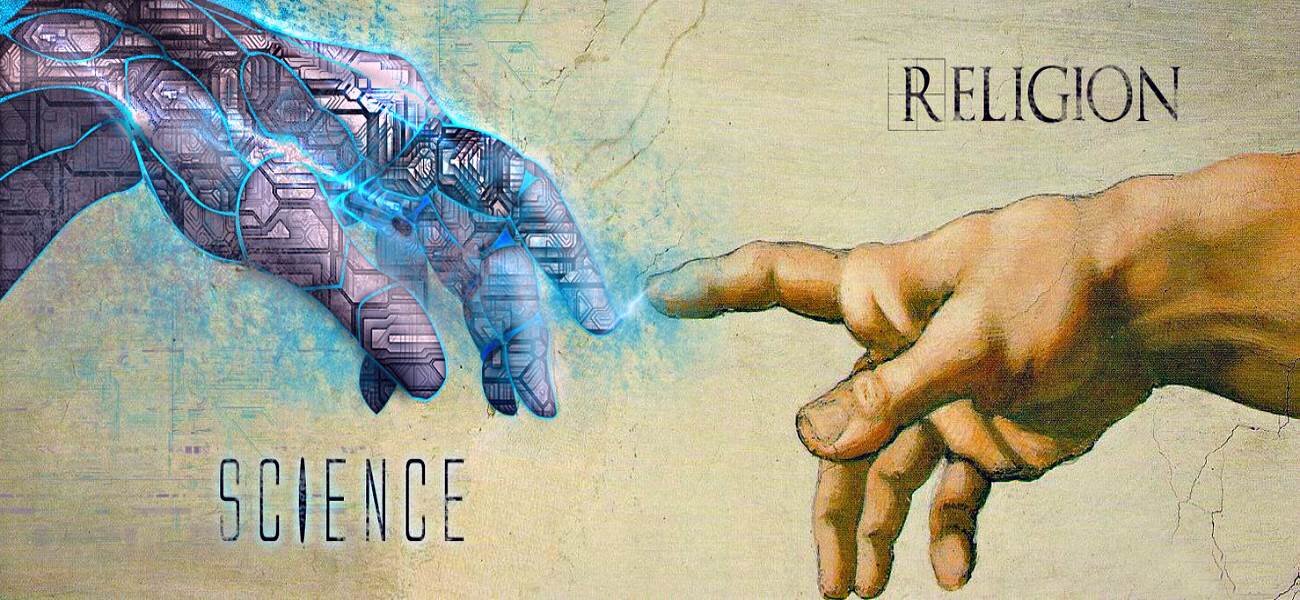
Which has more answers for the mysteries of nature? Theology or Science? How different are these two belief systems? How identical are they? In this episode the duo breaks down the similarities and differences of Earth’s two greatest rivals for understanding the mysteries of nature. Theology and Science ad discussed as powerful religions.

+Episode Detail

Topics Discussed: The Scientific Method Atomic Theory Science vs Theology Objective vs Subjective Neil deGrasse Tyson Quantum Computer Morality Universe Jello Catholic Church Allegations

Our Links: Official Website - https://greythoughts.info/podcast Twitter - https://twitter.com/JustConvoPod Facebook - https://facebook.com/justconvopod Instagram - https://instagram.com/justconvopod


+Transcript

Cristina: This program contains strong themes meant for a mature audience. Discretion is advised.

Jack: Going live in 5, 4.

Cristina: What does live mean?

Jack: Welcome to the Just Conversation podcast, the show where we ground humanity's most absurd and baffling ideas in childish ways. I am your host, Jack.

Cristina: And I'm your host, Christina.

Jack: And if you haven't yet, remember to hit that subscribe button to get notified the second new episodes are released.

Cristina: Also, this show is most enjoyable with a listening partner to share opinions and ideas on topics we discuss.

Jack: Yeah. So if you need to get somebody to listen to this show, be sure to make them.

Cristina: Make them.

Jack: It's always. Look, this show always begins on the woke truth, which is you. You have the obligation to force people. You're obligated for justice. For justice. To force people.

Cristina: Mm.

Jack: To do what we're telling you to do, which is make them listen to the show. It's an obligation.

Cristina: Yes.

Jack: You don't know what kind of danger you're potentially in if you don't.

Cristina: Wait, they're in danger?

Jack: Yeah. The people we're talking to are in danger. They have to make other people listen.

Cristina: Oh, okay.

Jack: Gotta run out into the show.

Cristina: I thought only the person that they're making listen was in danger, not realizing, like, oh, we're actually making the people do it. Like, they're not just.

Jack: Oh, no, they don't.

Cristina: Doing it for fun to.

Jack: Pretty sure. In the past, I've established that I will put their children in danger.

Cristina: Yes, Yes. I forgot about that. I don't know why I forget about that. It makes perfect sense that the person listening is also like, why would you.

Jack: Do what we're saying?

Cristina: I don't know. Because they're trolls. I don't know. They.

Jack: Look, there are some trolls out there who are just like, let's do this.

Cristina: Yeah, that's what I think. That's how I feel like most of the listeners are.

Jack: I mean, like, let's be real. A huge, like, by vast majority. Like, I feel sorry for somebody who stumbled into this and isn't a f****** troll. They're over here. Like, we're about to get educated and it's like, sure, sure, sure. I mean, look, we're not gonna tell you something that's not true.

Cristina: Exactly.

Jack: But we're also not gonna tell you something that's not false.

Cristina: Mm.

Jack: It's.

Cristina: It's in there. It's in there. It's a little bit. Yeah.

Jack: But look, okay, okay. Let's be real. Right? Talking about real and fake and false and all this bullshit. Okay. What's let's. It's use a scientific method, right? You could prove. You could prove. What we're telling you is that it's dangerous or whatever. F***.

Cristina: I don't know. Because people say they use the scientific method to prove that the Earth is flat. And I don't believe it.

Jack: See, this is a weird argument because there's two things happening there. Some people think they can use science to prove the Earth is flat, which is in itself a little bit dumb, considering.

Cristina: I'm not sure if they know what the science. Scientific method is, though.

Jack: Yeah, they definitely don't because they are confused about the replication part of the pro of the whole program. Like, if I came to the conclusion, the whole other half, they're missing the. I did it and got this result. It's okay. Repeat it and get the result and then let somebody else repeat it and get the same result. They're missing that part. They're like, no, I got it the first try. I got it. I don't need any more proof. I understand. And it's like, this is science. This. Yeah, I'm sciencing, okay? And it's like, all right, bro, come on. But it's like, oh, some people also believe the f****** science is fake. And they use that to prove the Earth is flat. Like, all the science is wrong. Thus the Earth cannot be browned.

Cristina: So the scientists are wrong. I mean, they're not using the scientific method or there's something wrong with the scientific method.

Jack: God, that's so sort of the scientific method. It's not that something is inherently wrong with the scientific method. It's that it's not as right as they claim. They pretend that the scientific method is infallible, but everything is a theory because nothing has been proven. You just have overwhelming evidence for certain things, and you claim that to be as close a truth as you get. For example, the atomic theory. There are atoms. We behave and like the probabilities are in the favor of atoms by vast majority. We've built science around the concept that there are atoms. Technology relying on the idea that there are atoms. Also. We have no way to prove there's an atom. There's just not a thing we can do.

Cristina: We can't see them.

Jack: No, we're touching something, behaving in some way. We're not exactly a million percent sure.

Cristina: We're like seeing his shadow or something.

Jack: We're seeing data.

Cristina: Oh, okay.

Jack: And not even all of it. That's why we keep finding s*** inside of a f****** atom.

Cristina: In an atom.

Jack: Yeah. We discover s*** about atoms all the time.

Cristina: Oh, okay.

Jack: If we're looking at atoms, that's where it gets shaky. Yes, because, like, what the f*** are we looking at?

Cristina: Mm. So then the scientific method is not the way to go.

Jack: It's the best method we have. It's better than religion, at least for the purposes we're using it for. Okay, fair enough. That's wrong. That's wrong. Although the statement that I followed it with, the purpose we're using it for, that statement corrected what I was saying. But ultimately it's about as useful as religion.

Cristina: It's as useful in what way?

Jack: Well, science leans into understanding the objective things that both you and I experience. That's very objective. We can both see a table in front of us and say, this is a table. You're saying table. I'm saying table. Okay. The table exists within the objective reality. Yes, but there are things you feel that nobody but you feels. They can try to explain what they're feeling, but you can't feel it too. Yeah, maybe it's the same. It might sound like the words you'd use. But also we're limited by our language, so maybe you just land on those words because you're the closest. Yes, but they're wrong.

Cristina: And you're saying religion is like that.

Jack: Religion is like that. Religion is aiming to explain the subjective world.

Cristina: Subjective world, yes.

Jack: While science purely, purely, purely aims at the objective things that we can all see and replicate. You cannot replicate something subjective. It's a personal experience. Yes, but you can.

Cristina: But the Bible is trying to explain that sort of.

Jack: The idea of theology in general is to explain that. Sure. There's some cross pollination. Right. So you end up with, like, morality inside of science, the concept of morality, what's right and what's objectively right and what's objectively wrong.

Cristina: Yeah, we.

Jack: It's loosely philosophical science. Like if we gave you a thought experiment and ran you through these things, is this right? Is this wrong? Could we put somebody else through the test? Like, you're using the scientific method to work with psychology.

Cristina: Yeah.

Jack: And philosophy. But in. In religion, you're dealing with a completely different monster, which you're trying to reflect on what's inside of you. But there's the same cross pollination of. Well, we can try to tell you why the earth is at all, why we exist or what. Like, you know, there's that problem that exists in both. They're not really necessarily being used for what they're being used for. Yeah, they need. They want to explain everything. Both things but you can't.

Cristina: But why do they want to explain everything?

Jack: Because they're both religion and it's more about collecting the largest following than it is about being practical and useful. That's the same reason that scientists don't have the language to convey the information to the common person. Scientists are kind of f****** stupid. We think of scientists. Oh, they're so smart. A scientist is no smarter than a teacher who's a master at teaching than a construction worker who's a master at construction. They just happen to be in chemistry. So they're great at f****** chemistry. Or in physics. Or great at physics.

Cristina: But that doesn't mean they're good at teaching.

Jack: Yeah, that doesn't mean that they're good at teaching. They're just good at their thing. They're smart, not intelligent.

Cristina: People confuse those two.

Jack: Confuse those two s****. Too often people think intelligence collected. No, that's how fast you use information. That's how flexible you are with information. Most scientists, like theologists, are just smart in that one area.

Cristina: Yeah.

Jack: And they're ignorant to every other thing. Why is the joke? The scientists are extremely awkward people. It's because they have no social skills. They're not like interpersonally intelligent.

Cristina: Unless you count the few that are popular now.

Jack: Like Neil is not interpersonally intelligent. He is kind of rude. A bit aggressive, stubborn and rigid comedians for. Yes.

Cristina: Never mind. He has a shortcut.

Jack: He has buffers. Yes, he has buffers.

Cristina: He needs.

Jack: Oh, so like Neil is an intelligent guy.

Cristina: Yeah.

Jack: He is not just smart, he's intelligent. The problem is he's stubborn and heavily ignorant. So he'll use the information he has in clever, clever ways to just create a loop of confirmation bias rather than allowing other information into his thing. Yeah, he's just very, very. To him it's a religion.

Cristina: Yeah.

Jack: Neil worships the science. He knows.

Cristina: Yes. Cuz well, to him he knows him.

Jack: He knows. He knows how the universe came to be. He knows what? And if the question seems to not fit, which we've heard many times, he'll say it's irrelevant. That question itself is flawed because it holds no meaning. It's like there's no such thing as a meaningless question, bro. He does not study Alan Watts.

Cristina: No.

Jack: He does not understand the true granular nature.

Cristina: What kind of intelligence or smarts is Alan Watts?

Jack: He's entirely about teaching. He's like Einstein. It was all just like he was really good at communication. He's a communication intellect or smarts. He's got communication smarts and he has interpersonal smarts that they can do very good at communicating their ideas and making it accessible to the commoner. That's the whole point of the theory of relativity. Very, very. Or not the book. Relativity. It's very, very visual dialogue. The whole point is a train is doing this and this is happening and it's going this fast and you're witnessing this as it's happening. And like you'll have the numbers. It's on the page also. You can f****** ignore it because the visual he's giving you is the numbers.

Cristina: Makes sense.

Jack: Yeah, it makes just as much sense.

Cristina: Mm.

Jack: He was a scientist who studied science and used other methods to teach, not just science. Neil is just a scientist and doesn't know s*** else. He's all the blind spots in the world.

Cristina: Mm.

Jack: Only science. Just science. Nothing but science. You threw him in a random place. He starves to death. He has no idea how to survive. Because science is the. And specific science is astrophysics. The end.

Cristina: Yeah. That's not good.

Jack: That's all he's got.

Cristina: Deserted island.

Jack: Yeah. He's f*****. We look at space. Oh. Something's gonna. At that point he collapses into religion.

Cristina: Yeah. Yeah.

Jack: Which is the other side of this. Because religion also has the same problem. Religion is trying to force crap down people's throats and also fails at explaining things in a way that makes it more accessible.

Cristina: I don't understand why they want to try to explain everything with religion though.

Jack: Why are you trying to explain everything with science?

Cristina: Okay. I guess it's both the same thing. Why does everything.

Jack: I don't know. They just want to do that. But I mean they're both the same. I guess the.

Cristina: So it's just like. We just will need an explanation no matter what we're using. We just. We just need everything solved. There can't be no mystery.

Jack: Yes. Yes.

Cristina: Because then that's danger.

Jack: And I guess that's ultimately where both science and theology come in.

Cristina: Yeah.

Jack: Because they're both trying to answer the questions. All of them. They're both trying to answer all the questions. They're so scared of having unanswered questions.

Cristina: Yeah. Because that could be something dangerous there. I guess. I don't know. Like what's gonna happen if we don't know?

Jack: Alright. Let's say we. We go in and we do some science and we find out in 15 years Earth is going to be hit by another planet that's gonna enter our system. Stray.

Cristina: Cool.

Jack: Okay. What are we doing? We don't have the technology to get ever. It's f*****. It's done. Technology, Nothing's happening. We're f***** up.

Cristina: Mm.

Jack: Well, we move to Mars. Doesn't matter. Two planets collapsing next to each other, crashing into one another. That close in proximity, the debris is gonna fly out and destroy Mars. It's crazy.

Cristina: So then what do we do?

Jack: We're all dead. It's the end of the human race.

Cristina: Okay. That's because we needed to know though.

Jack: Yeah. We found out and like, great. Now we just know we're gonna die.

Cristina: Yeah.

Jack: Could have been a surprise.

Cristina: Yeah. Maybe surprises aren't so bad. I don't know.

Jack: Could have been a surprise.

Cristina: Yeah.

Jack: But no. Although on the flip side, as that planet closes in and it gets closer over the weeks and months, those storms are going to be crazy apocalyptic scale.

Cristina: We're just going to enjoy that end of the world before the death.

Jack: No, it's going to be horrifying. All the volcanoes erupting simultaneously. Hurricanes and tornadoes everywhere. Megastorms.

Cristina: Yeah.

Jack: Earthquakes everywhere.

Jack: The planet will be squeezed by the gravity of another planet. Getting crazy close.

Cristina: That's so cool, man. If we were far away, but I guess we're already doomed and like able to watch it.

Jack: That'd be cool.

Cristina: Yes. If it was hitting another planet. If it was hitting another planet, where we are though, we'd still die, right? Like it doesn't matter.

Jack: Like it would have to be a pretty far planet.

Cristina: Like if it was hitting Pluto, which I guess isn't a planet, but let's imagine that it is.

Jack: It depends how it hits it. Like Pluto's pretty far.

Cristina: Okay.

Jack: Like we could still expect some s*** to happen though.

Cristina: Yeah.

Jack: Like there's gonna be the brief flying around.

Cristina: Like how big is this planet that's hitting Pluto?

Jack: That's another good question.

Cristina: Like it's gotta be bigger than Pluto.

Jack: If it's a planet.

Cristina: Yeah. Yeah. So what does that do?

Jack: It's a potential problem.

Cristina: We'll probably still die. You think we would still prepare though to get out of here? I think we've had over doomed.

Jack: No, we can't leave the solar system. We don't have the time.

Cristina: Oh, okay.

Jack: Even if I say 20 years, we still don't. We don't have the time. Anything that's close to the orbit of Jupiter as that debris flies out in every direction is f*****. Even in a long term.

Cristina: Okay.

Jack: And anything that is in order, like a lot of those rocks are gonna get pulled in. We're towards the inside. Like we're way closer to Pluto. So we're what we're Based on the reference point of Pluto we're in, there's.

Cristina: Gotta be a scientist that's, like, dying though, right? Like, he's, like, worried, when is this giant rock gonna come out of nowhere? Because we don't know everything that's traveling in space at the same time right now with us and how everything is moving. Like, a planet could come out of nowhere. Can it? Or is that a very low possibility?

Jack: I mean, let's be real. A planet could kind of come out of nowhere. Random s*** exists. We suspect there's planets in our belt now.

Cristina: Yeah. But there's also, like, planets that aren't attached to galaxies. Or are they all attached to galaxies?

Jack: Stars.

Cristina: Stars. Sorry. Yes. Are they only attached to stars or are they flinging everywhere?

Jack: There are some planets that are just rogue. Yeah.

Cristina: Yeah. So.

Jack: And our star can capture one.

Cristina: Could capture it.

Jack: Yeah.

Cristina: Without hitting anything?

Jack: Oh, no, it could definitely hit everything.

Cristina: Oh, okay.

Jack: It could hit f****** everything. Like, it's highly unlikely that it hit anything.

Cristina: Oh.

Jack: But, like, it's possible that it could be caught and enter the gravity and stay, like, caught orbiting. But it's probably gonna f*** some s*** up.

Cristina: Yeah. Man. There is someone stressing about this. That's why there's so many of, like, Planet X is coming. Because. Yeah, there are people stressing about this. We're in space. That's. With so many things we can't see, we don't know where they are all the time. We need that quantum computer.

Jack: But we're. We're kind of sort of dealing with. This is exactly what I'm talking about. Like, science isn't perfect.

Cristina: No.

Jack: There's no equation we could run and just be like, it's over there.

Cristina: What if we had that quantum computer, though?

Jack: That quantum computer would get pretty f****** close.

Cristina: So. But not perfect.

Jack: Like, it would. It would. The better the quantum computer, the more accurate.

Cristina: Yeah, but there's no such thing as a perfect.

Jack: No. Because it would need infinite energy to calculate everything.

Cristina: Okay.

Jack: We're thinking with a massively complicated quantum computer, we can not just do the surfaces of planets the way we've successfully done on certain things like the space engines and even video games have access to a lot of this technology now. But we're talking. Actually, I think Google Earth, if you zoom out far enough, you can get the galaxy Simcha. I'm not sure. But we have that technology available to render the outside pretty accurately.

Cristina: Mm.

Jack: We're getting the. The idea of a quantum computer would essentially lead us to a computer that could render not just the surface but the inside of planets and like all the kind. But we wouldn't do it in the whole universe because it too much.

Cristina: Oh, okay.

Jack: That's. That's where the problem is.

Cristina: We can at least see our neighbors.

Jack: Yes, that help. We'll probably be able to do local things and that as it expands in complexity, we'll be able to do more.

Cristina: And more until we have a map.

Jack: Of the whole thing of our galaxy, maybe our galaxy galaxy. But we also have to be in certain places in order to get the proper angle for the computer. Because the computer still gonna process information it's receiving. It's not guessing.

Cristina: Yeah, we'll have the science.

Jack: Yeah, hopefully. But then that's the problem with religion.

Cristina: Oh.

Jack: Because religion is also doing the same thing. They're just claiming, just like science, that, you know, we got the f****** answers. We know. And it's like meteor came or f****** planet was hurling our way. You don't f****** have anything. Religion is the same f****** way. It's like we know where everything's going when it's ending. How, why?

Cristina: Yeah.

Jack: Who's going where? White. They're going there. It's like you. You're basing all of this on a book of metaphors.

Cristina: Well, most people don't even know what the book is saying though.

Jack: I mean, the people who f****** wrote it know what the book is saying. Cryptic a** mess.

Cristina: Yes.

Jack: It's all interpretation.

Cristina: Yes.

Jack: That's crazy as h***. It's all bigoted machista interpretations going on.

Cristina: So I don't know that's it's such a mess of a book. How is anyone getting any information from it?

Jack: The creation of the universe, nevertheless. Answers for human behavior nevertheless.

Cristina: Yes. When the end of the world is happening, what?

Jack: Things have their place. And we fail at realizing that things have their place. Religion has its place and so does science. And it is in that science should just be focusing on the objective and theology should just be focusing on. Because again, they're both religion. So theology should be focusing on the subjective and that should be the division you should use. The real purpose of religion. Right. Is a meditative tool. You might believe that there's literally something there that's totally fine.

Cristina: Whatever about the moral values you get from it.

Jack: That's where you're at. Exactly. That's where you're starting to land. That's the point one. When it comes to morality, that's neither religion nor science. That's pure or theology. I keep saying religion, neither theology or science. That's philosophy. Really? Really.

Cristina: It should. So it should stick to that, then.

Jack: It should stick to that. Because the problem is it's a way of thinking about things.

Cristina: Yeah.

Jack: To say blankly there is a right or wrong is something that science tries to do and something that religion tries to do. But in neither instance could you prove anything.

Cristina: No.

Jack: Because in science, you would argue everything is ones and zeros. Nothing holds inherent meaning. Well, wrong. If I shot you, you would be very frustrated. Even if you couldn't feel pain, if you just knew you were shot, you're like, f***, you suck.

Cristina: Yeah.

Jack: You need to feel pain. You're not gonna die. You just shot. You're just like. You're an a******. That was shot.

Cristina: Mm.

Jack: Why do you feel that way?

Cristina: That's crazy.

Jack: Okay. In religion, they claim that everything is inherently good or bad, but you couldn't point at an example of either that you're basing the argument that this other thing is on.

Cristina: Where is this pure good or pure evil?

Jack: Exactly. How are we pretending there's any. But again, morality is neither. It's a way of thinking.

Cristina: Yes.

Jack: Reference point of, well, what would bother me? Why would it bother me? Okay. These reasons, then that means it would probably bother them in a more or less similar fashion. Because we're more or less similar.

Cristina: Yes.

Jack: And then use that generalization. There's already a guideline, a set of rules that you're like, I don't know where it came from, but it's there.

Cristina: Yeah.

Jack: Religion would say, that's not a f****** thing. That's all in your head. Religion would say, well, God put it there. Who cares? It's. There's some thing that's there.

Cristina: Yes. That's so crazy. Okay. Yes.

Jack: That's. That's all it is. It's all that matters. There's a thing that was f****** there.

Cristina: Mm. In you.

Jack: Not necessarily in you, but it's both objective that you can confirm with somebody else. Man, this would suck if this happened, right? Yeah. Yeah, it would suck if that happened. Why? If neither would have ever experienced it, I don't know, but I know it would suck.

Cristina: Yes. That's the way it should be.

Jack: You'd be an atheist and that would happen.

Cristina: Yeah.

Jack: In fact, that is the argument for atheism.

Cristina: What is?

Jack: Well, we don't need religion to be moral people.

Cristina: Oh.

Jack: It's like.

Cristina: Yeah.

Jack: Then what is morality, bro? It's not science either. It's not like science is like. Science is ones and zeros.

Cristina: Apparently they think there's morals in there.

Jack: They try to explain, to explain away morals. Oh, but you have the Sensation of morals.

Cristina: Yeah.

Jack: While religion tries to say that for a fact there are morals. But also no. Because we're basing it all on our own opinions.

Cristina: Yes, we definitely have opinions. Yes, that's for sure.

Jack: That's for sure. We definitely have opinions. The weirdest thing, we could agree on these opinions.

Cristina: Yes.

Jack: Like pretty. Pretty heavily, universally.

Cristina: Yes.

Jack: To just say this is good, this.

Cristina: Is bad, but these are all just opinions.

Jack: They're all just opinions, but they're somehow universal opinions that we all agree with. It's sort of like the concept of creativity. What are you tuning into that allows you to see this thing that doesn't exist?

Cristina: I don't know.

Jack: Whatever that is. Probably where morality comes from.

Cristina: Imagination.

Jack: We're like, being creative about our approach to perspective in general.

Cristina: Mm. I don't know. Where does that come from?

Jack: I have no idea. But I don't know why these things aim to do these things. They try to force so much crap onto one another. And the problem is they also have because so funny. They pretend they're not. They're not each other.

Cristina: You're saying they're the same thing? Yeah.

Jack: Theology and science pretend they're not each other, but they are both sides. I'm gonna take a scientist and a priest and say that they're both way committed to their sides. Scientist is. I'll say. I don't know why this is the comparison. But we'll say Neil Degrasse Tyson with the Pope.

Cristina: Okay.

Jack: So the Pope will have to preach God. Yes. For a fact. He's up there. True, true. That woke truth God. Yeah. Sky Daddy team or whatever the f***. Team Sky Daddy.

Cristina: Who says that? Are religious people saying that?

Jack: Sky Daddy. I don't know.

Cristina: Those are people making fun of religious school, man.

Jack: Is that. They have a Sky Daddy. Come on.

Cristina: Yes, they have a Sky Daddy. Yeah. I mean, he's not in the sky, is he?

Jack: Dude, they swear. I mean, I don't know what they think.

Cristina: Ah.

Jack: Do they think there's no space?

Cristina: The space is very small, or.

Jack: No, not even that. Or. Man, it's weird because what do some people really think is happening, right?

Cristina: I don't know.

Jack: It's f****** strange. Like, do they think it's just like over the clouds, Heaven?

Cristina: Yes.

Jack: And it's like, wow, this is small.

Cristina: Like, you know in Mario, where there's a plant that grows, and then you can climb the plant and then there's clouds and you can step on the planet clouds.

Jack: Jack and the Beanstalk.

Cristina: Yes. But in Mario version, I guess that's based On Jack and the Beanstalk. Yeah. That's heaven.

Jack: Yeah. It's all the same.

Cristina: Yeah.

Jack: Well, ultimately they are the same thing, though, because they both have the. The Golden Grail, which is what they both follow, which is their scripture.

Cristina: What is the scripture?

Jack: In theology, they have literal scripture that they call scripture.

Cristina: Yeah.

Jack: And in science, the scripture is science journals.

Cristina: Science journals.

Jack: Yeah. Let's discuss science journals real quick. It's a book written by people who aren't you.

Cristina: Yes.

Jack: They've done, quote, research and run experiments that you don't know anything about and you can't and don't have the resources to replicate.

Cristina: No.

Jack: And then they put it in a book, and then other people, you don't know say, yes, true. And then they tell the rest of the world, and people are like, yeah, that's true.

Cristina: But those people that said, yeah, that's true. They tested it out.

Jack: Yeah, totally. How is that any different than the guy who saw Jesus? And the other guy's like, I saw him too.

Cristina: Oh, okay.

Jack: And it's like, right, But I didn't see Jesus. Where's Jesus? No, don't worry. I saw Jesus. Yes, and I saw him, too, but I didn't. You two saw him. How do I know you two aren't lying?

Cristina: He was on the toast. I ate him. I was hungry, was what. He was on the toast and I ate him because I was hungry.

Jack: Oh. But, yeah, that's pretty much how it goes. Science is that. That's science.

Cristina: It's religion.

Jack: It's religion.

Cristina: And so it's religion.

Jack: It's no better, no worse. It's just choosing to explain s*** differently. Yeah, I mean, I've given the example before, but let's do it again. We take science and we take theology.

Cristina: Let's.

Jack: Let's use the common American Western religion of the singular sky. Daddy, Jehovah. Jehovah, Papi, Jehovah. Right. So you have nothingness except for this one thing that exists and encompasses all that there is. We'll call that God or singularity, whatever. It was always there. And then it was like imma blink into existence. A bunch of s***.

Cristina: Yes.

Jack: And so it happened. God started bringing crap in, and so the singularity blew up and started spewing out all the matter that would become crap. And as all the matter spewed out, first plans started to take shape. God was on that roll, too. Once he had the planets, started making the heavens and the water, the oceans and s***.

Cristina: But his orders are kind of weird, though. I don't know if his orders of making things made sense. I don't remember.

Jack: The order isn't necessarily important because all the parts were there.

Cristina: Yes, yes. The conclusion I guess is important.

Jack: Parts also, how do we know what order it happened for? It was Jello at the beginning.

Cristina: It was Jello.

Jack: Yeah. We barely got told that part. Everything was Jello.

Cristina: Was.

Jack: Yeah. It was so hot. Solids were impossible. Oh, solids only happen during cooling.

Cristina: Mmm.

Jack: That's why water becomes ice. Cuz cooler. But when water is really hot, it's just vapor. So it was so hot. Everything was first vapor, but then it got just warm. Just cool enough that it wasn't just vapor, it was Jello.

Cristina: So in the beginning there was Jello.

Jack: In the beginning there was Jello.

Cristina: Okay.

Jack: Couple of seconds into the creation.

Cristina: Okay, this is the science version. Yeah, it was Jello. Okay, cool.

Jack: So God then made planets and that Jello solidified and made some planets and stars and yeah, everything became spheres. Yeah, God made the sun. Stars happened in science circles are my favorite. That sun had enough gravity to pull matter together and made planets and. Well, science says that plans began. So you just follow the train of thought and all the same parts happen. You're trying to explain all the same things. Where do we go when we die? Well, neurology says, okay, religion, what happens when we die? Well, the Bible says when you die, you go to try and explain the same s***. Yes, just religion. Both are religion, theology and science.

Cristina: Especially when explaining death. It makes no sense for either. For either. Yeah. What?

Jack: Who the f*** are we to try to explain death?

Cristina: No. Yeah, there's no way we will know. Based on what exactly? I don't know.

Jack: It's ridiculous, isn't it? That being said, if we tried to prove death right, like what's on the other side? How the f*** would do that? If there was a way, what would be the way? It couldn't be religion. It would have to be science.

Cristina: It has to be.

Jack: Because you need to use something that we, that we could ourselves see. If it's subjective, it wouldn't work.

Cristina: Yeah, that's because like the dead guy.

Jack: Saw it, but the dead, he can't tell us. Yeah, we need a living person to see the other side.

Cristina: Science to find out what's happening.

Jack: They both serve their purpose. They both serve their purpose. Definitely. If you look at, in the case of science, you can, you can do a lot of things. We built cars and GPS and bunch of f****** s***. We're talking into microphones that are sending sound waves through a wire into a computer. That's Recording it. And then later that's gonna become a different kind of file that then is gonna be mass distributed to the planet. That's science.

Cristina: Yes. And they're evil.

Jack: The Bible didn't make that happen. But science tries to say that religion is unimportant.

Cristina: Yes.

Jack: Or I guess it in itself is religion. But theology. And theology does a couple of good things, which is it tells stories that allow us to understand the world differently. And at any given moment, theologies have the best idea. Now we're in such a technologically advanced, particularly the Western societies and the. I guess Asian societies are really, really like Eastern Asians are very advanced and a lot of the western culture that we are losing the purpose of religion because it was there to tell us stories that would protect us when we're in danger, give us anecdotes about bad places to be, bad behaviors to have conflicts that could happen as a result.

Cristina: But now we can just tell each other that through the Internet.

Jack: Yes. And so we don't need a lot of these things that came from religion. But spirituality is important.

Cristina: Yes.

Jack: It makes you feel connected. That's important. That's not just philosophy. There is something else happening when you're talking about spirituality.

Cristina: Yeah.

Jack: There is a thing you feel that isn't your emotions.

Cristina: Do you get spirituality from religion or is that its own?

Jack: It's a close estimate.

Cristina: It's.

Jack: It's a close way to get it. You can also get it from. I guess you could experience. You could get it from anything.

Cristina: Okay.

Jack: It's just religion seems to be the best at doing that.

Cristina: Yeah.

Jack: Because it's the best at making you feel connected.

Cristina: Okay.

Jack: Like everything is like in science. They're so boring with it. Ones and zeros. You are made of stardust. Great line, bro.

Cristina: Hey, that's sort of connected. That's a very connected thing.

Jack: The lack of explanation of. What does that mean? Well, you made of stardust means the same matter that blew out of the singularity spread out into the universe pretty evenly distributed and then started clumping together. And then that same thing eventually made oceans and made trees and made parasites that were alive and germs and cellular creatures started to get complicated. And these are same atoms still and particles and crap together forming that. You tell that story and you're like, oh, we're all connected. I made the same s*** you're made of. But if I'm like, we're all stardust, it's like. It sounds like some f****** song.

Cristina: It's beautiful. It's a beautiful story.

Jack: We're all made of stardust.

Cristina: Yes. It kind of sounds hippie ish. For something that's scientific.

Jack: Yeah. Religion is pretty hippie ish too. And there's nothing wrong with that. It's the fact that we try to force it down people's throats that is a really.

Cristina: Forcing down anything down people's throat is a problem, whether it's science or religion or whatever. I think that's the biggest thing.

Jack: Yeah. My biggest problem is how we all have the capacity to believe in things that we've not proven ourselves.

Cristina: And then forcing it through other people's throats.

Jack: Yes.

Cristina: Sleeves. Like why?

Jack: That's weird and complicated, right? Yes, man. Cuz we don't know s*** about s***. We're really winging it pretty f****** hard.

Cristina: Why can't we just be honest about that?

Jack: I don't know. We're scared of the unknown crap.

Cristina: That's what we're. That's why we have all this in the first place.

Jack: Yeah.

Cristina: Yeah.

Jack: We're scared of the unknown. That's why we have it in the first place. Because we're scared of the unknown.

Cristina: That's why we have science and religion and Etc.

Jack: Yeah.

Cristina: Because we're scared.

Jack: And we need answers. And those of us who don't have the skills to practice these things actively will just take whatever answers they give us. Because it's better than not having any clue.

Cristina: Yes.

Jack: And then incorrect information beats no information.

Cristina: I understand. But still, why give it? Why force it onto other people?

Jack: My. My big problem is why do we have a fear of the unknown?

Cristina: Yes.

Jack: Like what's wrong with it? Everything is unknown. We don't really know s***. Come on, man.

Cristina: That's why people need to check out Alan Watts. Then they'll see, like.

Jack: Yeah, it's all meaningless.

Cristina: It's all meaningless. But it's a good meaningless thing.

Jack: I mean, that's all about.

Cristina: It's really about just enjoying the moment.

Jack: The problem is the four answers to the glass. Half full or half empty.

Cristina: What?

Jack: There are too many variants of how you can take the same information.

Cristina: Yes. Okay. Yeah.

Jack: The glass is half empty. Yay. There's more for me to do. The glass is half empty. F***. Half is already done.

Cristina: Yes.

Jack: The glass is half full. Ah. Half the work is done. Sweet. The glass is half full. F***. Somebody has already filled out this part. Like, it sucks. It doesn't matter.

Cristina: Yeah.

Jack: It's really like there's no right. And every individual basis.

Cristina: Yeah.

Jack: And that's why we have the two different systems the same way. The glass is Half full or half empty. We have religion and science. Two different sides.

Cristina: Yes.

Jack: To kind of try to grasp everybody. Some people are more critical thinkers. Some people are more emotional. Some people require a little more spiritual feeding. Some people don't have a spirit. They're like borderline sociopaths. And so they do the numbers thing. Cold as f***.

Cristina: Whatever. I guess it all fits.

Jack: It's meant for somebody.

Cristina: It's meant for someone, but it's all.

Jack: Doing the same s***.

Cristina: Yes.

Jack: Then enter philosophy. The. The winner guy. Daddy. Of the f****** ideologies of the religions.

Cristina: The sky daddy.

Jack: Yeah, we got theology and we got science. But, like, they both rely heavily on philosophy.

Cristina: Well, they both look down on philosophy.

Jack: Too, though, which is so funny, because they depend entirely. There's nothing they could do without it.

Cristina: Yes.

Jack: They think they're the next step.

Cristina: Yeah.

Jack: They're not. Because science is what you get when you make philosophy rigid. And religion is what you get when you strip out the thinking part.

Cristina: Strip out the thing. That sounds bad. Yeah, it's not bad, I guess. You don't need to be thinking all the time.

Jack: You don't need to be thinking all the time.

Cristina: Your brain needs a break.

Jack: Yeah. If you're thinking all the. And that's another problem. We've deluded ourselves to think that.

Cristina: That we have to be thinking.

Jack: You have to be thinking. The act of meditation is training to not.

Cristina: Yeah.

Jack: Which we gotta train into. Because of how programmed we are to think all the time.

Cristina: Yeah, I have that problem. Yes, I know.

Jack: The idea is going back to the fact that you mentioned Alan Watts. A person who thinks too much spends their time thinking about thoughts. And you're not present. You're just worried about thoughts that aren't happening.

Cristina: And then you're wasting your life away. Yeah. It's very depressing.

Jack: What's the point of thinking about thoughts? You're not. You're thinking about thoughts. You're not experiencing anything else to think about.

Cristina: Yes.

Jack: Go and experience emotion, then think about it. You got to be there to experience it. If you're thinking thoughts while you're there, you're not experiencing the thing. You're blocking out the experience by thinking thoughts.

Cristina: Yeah.

Jack: Experience it later. Have thoughts about it.

Cristina: So it's. It's so, so sad. But, yeah, it's beautiful.

Jack: Alan Watts, philosophy. Right there.

Cristina: It's perfect.

Jack: Stop thinking thoughts.

Cristina: Mm.

Jack: It's getting in the way of life.

Cristina: Yes. It's getting in the way.

Jack: Yeah. You thinking thoughts is getting in the way of your life.

Cristina: Mm.

Jack: That's a weird thing. To be told by anybody. You're thinking too many thoughts.

Cristina: Yes.

Jack: What the f*** else would I be thinking? Nothing. You'd be thinking nothing. Stop thinking thoughts. Think nothing.

Cristina: Just be.

Jack: Just be present. Do what you're doing. Roll with it. Be impulsive, whatever. Who gives a s***? Be present.

Cristina: Yeah. And that doesn't mean, like, not do. Like, if you like science or philosophy, like, whatever. Still do those things. Yeah.

Jack: But don't be rigid about any of it. Yeah, well, we gotta follow these rules. Neil does not have fun in life. That's why trolls have way more fun than Neil. Neil Degrasse Tyson is a miserable man.

Cristina: He said trolls, though. How do you compare trolls to this?

Jack: The idea here is that a troll finds it funny. They'll laugh it off. Neil gets kind of angry. It's like the difference between me and you, dude, is I have more fun in life because I laugh at it. I found it funny. Life better. You found it something that had to be corrected, explained. And that's problematic because you're angry at the fact that it's not happening the way you want it to happen.

Cristina: Yeah.

Jack: That's weird. But it's sort of the reality of the matter. It is f****** weird. I don't. I don't understand, but it is. I guess it is a f****** fear of the unknown. That's always. I don't know where that comes from, though. Evolutionary. Right, we're just evolutionary f****** scared of what we don't know.

Cristina: Yes. That's probably the explanation. Most likely has to be right.

Jack: Because animals are scared of what they don't know.

Cristina: Yeah.

Jack: And this.

Cristina: They all do.

Jack: Defense mechanism.

Cristina: Yeah.

Jack: It's survival. The problem is we became symbolic, metaphoric creatures seeking meaning in the fabric of the universe, which is all riddled with unknowns. So we get to think about the unknowns rather than just instinctively be afraid of them.

Cristina: Yes.

Jack: And then religion and science happen, and.

Cristina: Then we're trapped in our own thought loops.

Jack: We're thinking too many thoughts. And that is science and religion. We're just f***** bouncing between these two. We're either one or the other. We're arguing against one or the other.

Cristina: Mm.

Jack: And forcing people. No. You're gonna go to h***. But you don't know that. Somebody told you that. And the guy who told you that didn't study it. Didn't go prove that s***. You just got given the answers. Yeah. So many people f****** claim to be religious and have never picked up a single Bible. I find that magnificently hilarious.

Cristina: Yes.

Jack: Oh, I'm a Christian. Oh, yeah. What did Paul say? Who's Paul?

Cristina: No way.

Jack: What?

Cristina: Okay, that's how bad it gets, dude.

Jack: That's how bad it gets. It's just like. But look, if you say like, I believe there's something greater than me, that's fine.

Cristina: Mm.

Jack: I'm Christian. Are you though, bruh?

Cristina: You test them out.

Jack: Even worship, bruh. You even worship, bruh. I guess at that point that's how you gotta treat these people the way you do. Like people who wear banties.

Cristina: What are band tees?

Jack: T shirts with band names on them.

Cristina: Oh, band T's.

Jack: Yeah. You gotta be like, name three songs. I'm a Christian. Alright. Name three apostles.

Cristina: What?

Jack: Name three apostles, bruh.

Cristina: Then name three things they said.

Jack: Name three things they each represented. Yeah, let's go. It's like, what?

Cristina: Crazy.

Jack: Which one of the apostles did Quizdom tribute night? You Christian? All right, come to my house. You Christian? All right, come to my house. At this time tomorrow, we're gonna see if you're Christian. Have a whole group of people there just to like quiz them and prove that they're not or they are or whatever.

Cristina: Yes. Why hasn't the church done something like this? This is amazing.

Jack: It's great, right? Just make the Christian. The church wants a lie and say there's more Christians than there are. Oh, that's anybody.

Cristina: Then they have a problem with everyone.

Jack: I mean. Yeah, because the church doesn't give a s*** about the Bible or Jesus Christ. Okay, the church pretends it does, but the church is really just run by government and government is run by rich racists, which is why it's like, well, women have to f****** do this and do that. And like, we can't have gays either in the Bible and in church because, you know, we're straight white men. That's scary to us because we probably, probably suck d*** secretly and we don't want people to know. We're gonna judge us on d*** sucking. Like you're billionaire, dude. Nobody gives a f***.

Cristina: They're all child molesters.

Jack: So they are. That's where it gets f*****. Which is also approved by religion, specifically the Catholic Church.

Cristina: They're all. All of them. Yeah. All the religious, all the governmental. All of it.

Jack: They like to f*** all the children all the time. God, that's always a topic on this show.

Cristina: It's hard to ignore.

Jack: It is so hard. Anytime we discuss religion, we sudd the Catholics. Look the other way.

Cristina: Just them. It's so many organizations, but it's like people way heavily.

Jack: Yeah, way heavily. The Catholic Church.

Cristina: Yes. But it's everyone.

Jack: It's everyone. But not in vast majority everywhere. No, it's like heavily. Like if we grabbed all the people, molesting all the people, like a good 90% of them are just priests.

Cristina: That's how much hardcore, bro. That's.

Jack: No, that's hardcore. And they get away with it. That's a problem.

Cristina: Yeah.

Jack: How many of them never get caught?

Cristina: I don't know.

Jack: Just f*** the people growing up.

Cristina: Yes.

Jack: Just ruined hella lives. That's a monster though.

Cristina: Mm.

Jack: Functioning great in society. Sociopathic bullshit going on. D***. It's safe to assume that a lot of press, a lot of priests are a bit sociopathic. Right. Maybe they gotta disconnect. Unless it's an emotional urge. Oh no, I gotta f***, I gotta f*** em. It's like, bro, I don't know.

Cristina: I really want to know now.

Jack: That's what it's interesting, right? Like if we could test these people. Are they sociopaths? Is just a church run by sociopaths or do they have a problem? It's like a real problem.

Cristina: Like I gotta find out if anyone actually found that out. I'm sure they must have. Right? They must have questioned these guys.

Jack: I think because they're religious figures, we treat them differently then being curious and being like, bro, are you f****** these kids because you don't like care that they're gonna be ruined in the future? Or you have no self control despite knowing that they have a f***** future if you do this.

Cristina: I wonder how many choose the first answer.

Jack: It's nuts. They're just like, I don't give a f***.

Cristina: Yeah.

Jack: F***, let the kids have crappy lives. I don't give s***. Oh my gosh, I need to get my willy wet. And then God's gonna. I just go pray later and I'm cool.

Cristina: What about those sisters? Why they gotta touch the kids? There are plenty sisters.

Jack: They rape them too.

Cristina: They do, yes.

Jack: Crazy known.

Cristina: I thought the sisters were just having like female parties on their own.

Jack: Well, like touching each other and whatnot. Yeah, I mean probably. But I know that a bunch of the nuns casually the priests, because they're also not getting laid.

Cristina: But they're not being raped. Or are they being raped.

Jack: Some of them are.

Cristina: Oh, okay.

Jack: There's a lot of things going on. Oh, it's like yay religion.

Cristina: Yeah. Sounds like those horror stories from being in jail or whatever prison. The cops raping the prisoners or whatever for the fun of it. Because they're prisoners. I don't know what the whole thing.

Jack: It'S Usually male cops raping female inmates.

Cristina: Yeah, that's pretty horrible.

Jack: That's just horn dogs who are like, I'll get away with it. And then they go pray. God is gonna forgive him. God's gonna forgive him.

Cristina: Yeah.

Jack: Jesus will forgive them because he forgives. That's a weird thing about the Old and New Testament. The Jesus thing, the God thing. Jehovah is two different guys.

Cristina: Yes.

Jack: They're vastly different people. The first dude is wrathful, destructive, jealous, angry, savage. Which tells us he's a demigod in the first place. Why do you have emotions, bro?

Cristina: I don't know.

Jack: Like, whatever. Yeah, you can't just blink his problems away. Very angry and just can't blink it away. Nope. Yeah, totally logical, bro. That's. That's exactly what it is. You hate it all. You want to destroy it all, but you can't. Sweet.

Cristina: But he does. And then he brings it back. Or is someone else doing that?

Jack: The best he could do is flood it. He couldn't get rid of it.

Cristina: Oh, okay.

Jack: Just made it rain. Apparently, he's a God of weather.

Cristina: Yes. Is that how he's done. Whoa.

Jack: He destroyed and he sent. I think he made fire fall from the sky too.

Cristina: Okay, yeah, he has done some things. Okay, yeah.

Jack: Gave Moses the power to split the oceans.

Cristina: Wait, so he can give people powers?

Jack: He gave him a stick with powers. Maybe that was just a tool that the gods use.

Cristina: He controls the weather. Is he the Earth because he gave him a stick and it's magical? Maybe he's just Earth.

Jack: Gaia.

Cristina: Yeah. What if he was Gaia all along?

Jack: That would make sense. Gaia is, like, a pretty ancient God. I think it actually predates Jehovah.

Cristina: Oh, okay. There you go. Jehovah is just Gaia in disguise. I guess.

Jack: I mean, considering that Christianity is just Greek mythology. Well, it's just Judaism, and Judaism is Greek mythology, and Greek mythology is a Norse mythology, and Norse mythology is Hinduism. It's possible the Hinduism just comes from. From the original understanding and labeling from natives of different cultures that talked about Gaia. That talked about Gaia.

Cristina: Mm. What is that? What does that do?

Jack: Tells me when I get a message.

Cristina: Is it from this conversation or that's from something else?

Jack: No, nobody here has sent us a message.

Cristina: Oh, okay.

Jack: But, yeah, I don't know. I think it's real f***** up that people force the unknown on people as if it's totally known.

Cristina: Religion or science. It's all the same.

Jack: Science knows a lot, but it also doesn't have a finite answer for anything.

Cristina: Yeah.

Jack: It can't just be like for a.

Cristina: Fact, but they want you to believe it's believe.

Jack: I would say theology, out of the two has the least amount of way specific answers, but also it doesn't need specific answers because it's a subjective experience guidebook.

Cristina: Yeah. You're not supposed to be. The questions that you're trying to answer with the Bible doesn't make sense.

Jack: Yeah. It's about you internally.

Cristina: Yeah.

Jack: How you feel, how your emotions are. Your spirit just way abstract and personal versus objective, which is science.

Cristina: Mm. You can just divide the two.

Jack: Yeah. You have to think of that as two very different things that function together.

Cristina: And they would function together if you were thinking of it like that. Yeah.

Jack: Yes. Theology and religion do great together. Do great, great, great, great, great together.

Cristina: As long as they're not competing to answer the same questions. That doesn't even make sense.

Jack: That doesn't make sense.

Cristina: No.

Jack: It should just be things that you can create and base and understand from science and things that allow you to feel like a good person. Understand basic moral principles, family values. I'd suggest everybody become a Mormon. Yes. It's a stupid f****** religion that makes no sense. Also, their family values are better than every family value everywhere. You literally have to make time for your family. Go be a Mormon. Learn to love people.

Cristina: Those aren't the people that kick out their children if they don't want to continue that life or something.

Jack: You mean the Amish?

Cristina: Oh, okay. I don't know. They're very similar in my mind.

Jack: The Amish are the. Are you talking about Orthodox Jews as well?

Cristina: I don't. There's a couple of them.

Jack: There's a couple of these people out there.

Cristina: Mormons live. Do they live the same as the Amish, though?

Jack: No, they're just people.

Cristina: Okay. They don't live in farms. No.

Jack: They don't live in a house.

Cristina: Oh, okay.

Jack: Like anybody else.

Cristina: And they use electricity and all that.

Jack: They're super normal.

Cristina: I don't.

Jack: You might know mad Mormons and not even know it.

Cristina: Oh, okay.

Jack: It might just be surrounding you. They're just people.

Cristina: They're just people. Okay.

Jack: They're just Christians.

Cristina: All right. Amish. They're not.

Jack: No. Those aren't humans at all. Those are weird freaks of nature who are like.

Cristina: Those are people. But they're. It's not a religious thing. It's a life choice.

Jack: Both.

Cristina: It's both.

Jack: It's a life choice based on religion.

Cristina: What religion?

Jack: The. I believe it's Judaism.

Cristina: Really?

Jack: Amish or Jews? If I'm not mistaken. They are the Orthodox Jews.

Cristina: Oh. Are you positive?

Jack: I think so. I'm pretty, like, heavily sure. I could be wrong. But then that means that these two groups are very similar.

Cristina: Oh, the Jews and the Amish.

Jack: The Orthodox Jews and the Amish.

Cristina: Okay.

Jack: But I think the Amish are the Orthodox Jews. I'm not entirely sure on how that breaks down, but that seems right.

Cristina: Let's become Amish. Let's live by them. We don't have to be living with them to be their neighbors. Or they can't have neighbors.

Jack: I will never be Amish.

Cristina: I don't want to be Amish. I just want to be a neighbor of Amish.

Jack: Go live next to Amish people then.

Cristina: That's crazy. No, I mean, yes, let's go.

Jack: You can go.

Cristina: I could go. Okay, I'll go.

Jack: I have no reason to go.

Cristina: I need my podcast people to come with me.

Jack: You can take the whole crew.

Cristina: Yes, I want the whole crew to come with me.

Jack: Everybody's going.

Cristina: Everyone.

Jack: They're just all living over there?

Cristina: Yes, all. All of us. There's a lot of people. I know, but we'll make it work. We'll get one house.

Jack: You mean basically start your own Amish community?

Cristina: I guess so. Yes. We're gonna start an Amish community.

Jack: Start an Amish community. But the reason they do this because of religion is because they believe that electricity is unnatural.

Cristina: Okay.

Jack: And so anything using it is also unnatural. It's not something God put on earth for us.

Cristina: Are they sure that electricity isn't something God gave us?

Jack: It's definitely something God gave us.

Cristina: Because I feel like. Yeah, that's exactly where it's coming from. It is natural.

Jack: Yeah, but they think like technology and crap like that.

Cristina: Oh, okay. How we use it. Interesting. I don't know. Because then they're doing the same with the wood from trees. It's not. Not that. The same thing. I don't like. What's the difference?

Jack: I have no idea what you're trying to say.

Cristina: That they can destroy trees to build houses and stuff like that.

Jack: Right. So the house isn't natural.

Cristina: Yes, but that's the same thing with the electricity. The electricity is natural. What you do with it is unnatural.

Jack: Yes. So the tree is natural. What you do with it is unnatural.

Cristina: Exactly. So.

Jack: Except animals do what you do with the tree. I think that's where the base. What would an animal do?

Cristina: But we're not animals.

Jack: We totally are. Except that's science, right? Oh, not religion. Because man was made already as man, according to religion.

Cristina: Okay, wait, so then there are.

Jack: I don't know where the argument is. Yeah, I don't know where the argument comes from.

Cristina: Yes. Because in religion, we are just. We're humans. Animals are animals. That's what you're saying. Yes.

Jack: Yeah, yeah, yeah.

Cristina: Then.

Jack: Well, in science, we can. We're all the same.

Cristina: We're all the same. Yes.

Jack: Theory of evolution. Because again, nobody's proven we came from s***. Yeah, it's a theory that we came from s***.

Cristina: Mm.

Jack: From true, literal poop. From s***. We came from s***.

Cristina: What?

Jack: Us? Everybody.

Cristina: Everyone.

Jack: There was a t*** at the beginning, a magical t***. And of that magical t*** stepped out the first bipedal who later became a human. And now we poop the Earth.

Cristina: We do poop, but everyone poops.

Jack: Isn't that like a child book?

Cristina: Everyone poops. I don't know.

Jack: It's a book for kids who are scared to poop because they're ashamed of pooping.

Cristina: Really?

Jack: I don't know.

Cristina: I feel like that makes sense. Why would they be shamed of pooping?

Jack: And training A puppy, maybe?

Cristina: Yeah, they're training the child. But why would you need a story to tell you how to poop or something? I don't know. That's weird.

Jack: I mean, you always knew how to poop, but they're telling you. I guess that's potty training. It's like you're pooping in a different space other than on yourself. You used to poop in yourself.

Cristina: Some kids are afraid of toilets, I think.

Jack: And everybody poops in the toilet.

Cristina: Yeah. You gotta show them that it's not scary.

Jack: This is also where the programming comes in, right?

Cristina: What is it?

Jack: Religion and science. There's a follow the line mentality.

Cristina: Mm.

Jack: And that happens with pooping.

Cristina: Oh, my God.

Jack: Which is like, well, look, Timmy, everyone else uses the toilet. That's how you should use the toilet. What if Timmy wants to take a s*** outside? What if Timmy doesn't want to follow the conventional f****** rule? Society, Bill. What if Timmy's like, f*** the man?

Cristina: Well, he should at least understand where the man's coming from. But, like, before he decides.

Jack: But like, they're 100% like, no, everyone else does it, so you must do it. We do it, so you do it. And you're doing it just because we do it. You don't have to do it, but.

Cristina: You have to do it. All the education into a child is, though.

Jack: Yeah. Everybody else is doing this. You shut the f*** up. Don't think about it. Just do it. Yes, this is what it is.

Cristina: That's crazy. Okay. We're just. We're pretty much made like that.

Jack: Yeah. Anyways. Anyways. Science and religion are the same s***. Is the summary here. And you can not use either to prove that. We're not going to hurt you.

Cristina: We're not going to. We're not going to hurt you. What are you talking about?

Jack: To make them get listeners.

Cristina: Oh, okay. We never do that.

Jack: Fair enough. Fair enough. We might be all talk.

Cristina: Yeah, we're all talk.

Jack: All threats. All threats. Maybe I'm making promises and maybe nobody has broken their side of the deal. Do you want to be the first? Do you want to be the first?

Cristina: Okay, that sounds like a threat.

Jack: Fair. It went from a warning to a promise to a threat.

Cristina: Yes.

Jack: Let's go. I'm on a roll. Anyways, if you guys like these conversations where we bash religion and science because they're equally stupid. Also, the Earth is definitely round and flat. Actually, I found the answer to that. What was it? It's a tycohe. A tegohedron. It's a little bit flat and a little bit round. It's the answer that pleases everybody.

Cristina: Yeah.

Jack: So if you guys are confused about which one it is, find the middle ground, which is what I always say. Maybe the Earth is neither flat nor round. Maybe it's a little bit flat in a round kind of way.

Cristina: It's an eyeball.

Jack: There's a galaxy. That's an eyeball.

Cristina: That's cool. That's pretty cool.

Jack: Actually. I think it's a nebula.

Cristina: Mmm.

Jack: I don't know. There's weird s*** out there. Yes, it's probably an eyeball. Dude, all jokes, design. Anyways, you can find all that s*** on. You find all of it. All our stuff, all our things at. Actually, before that, there's. There's a bunch of episodes like this, by the way, a crap ton.

Cristina: We have one comparing science and religion with magic or one or the other with magic. I'm not sure. I think science with magic.

Jack: Science with magic. Interesting.

Cristina: I'm not sure if religion was in that.

Jack: There's a couple of us just talking about how f****** pedophilic religion is. A couple of that. That's all over the place. You stroll by accident, you'll land in that topic. It comes up too often. And anyways, you can find that stuff on the official website greatthoughts.info or on Apple podcasts, Spotify and anywhere you get your podcast.

Cristina: And you can reach us on Facebook, Twitter, instagram and TikTok. Usconvopod.

Jack: Yes. And remember to subscribe because why the f*** not leave us a just hit? Subscribe people, and you'll enjoy the show. And you can also rate it. That's great. Leave ratings. That helps people, and specifically us, and leave a review telling us, you guys are so cool. You guys are so awesome. You guys are the coolest.

Cristina: And let someone who might like this show know about it.

Jack: Yes, Word of mouth, totally awesome. Very important. It's. It's very important that you just share your kindness with everybody and tell them, look, today we're gonna learn about the comparison of religion and science and I guess theology and science. I keep mixing them up. Changeable to some degree. The problem is that science is also religion. So if I say religion, I mean theology and science.

Cristina: Okay, Religion and religion.

Jack: Yeah, religion and religion. Religion, religion. You can about learn about religion, religion. And if you want to learn about religion, religion, you're here, man. Listen to the show. You can totally do that.

Cristina: And this has been the Just Conversation podcast. Take nothing personal and thanks for listening, but maybe they just want to stand out.

Jack: Although it's about respect. I remember on the NPR show that they mentioned. What the f*** was it called? It's an NPR show, kind of like Radiolab but for court stuff. And they mentioned that the reason that they were wearing the robes in the first place was to seem like real authority based people and really stand out. And it was all dark and serious looking.

Cristina: So people before they were actually taken seriously.

Jack: Yes, that's part of the reason they started being taken seriously. But like now we know you're the judge, we don't need you to wear that.

Cristina: But if they're not dressing that and then someone just comes in a suit and then sits on that chair, you don't know if that's the judge or.

Jack: Not or if that's just some. Every officer in that court knows who that is.

Cristina: Good morning. Good morning. The Just Conversation podcast is hosted by Christina Collazo and Jack Thomas, produced by Elin Taylor and published by Great Thoughts.info art by Zero Lupo and logo by Seth McCallister with social media managed by Amber Black.